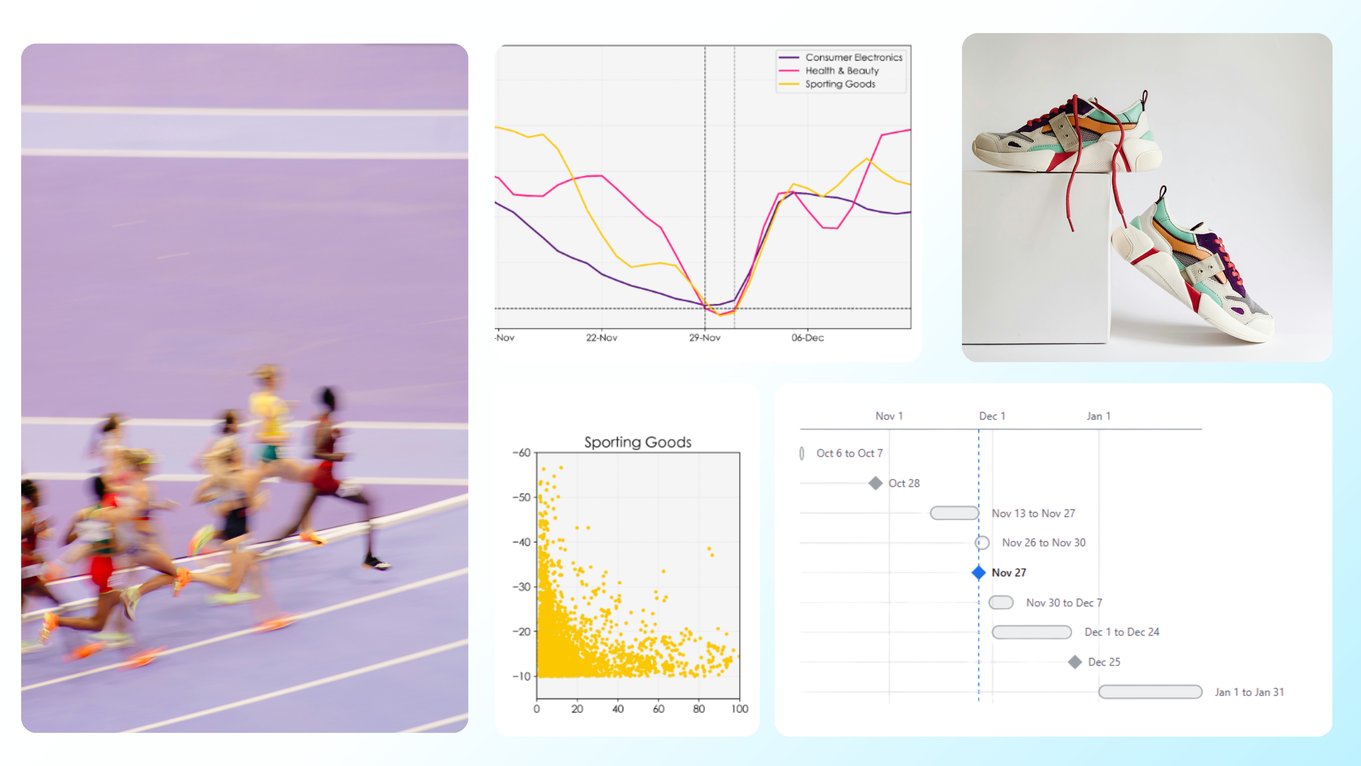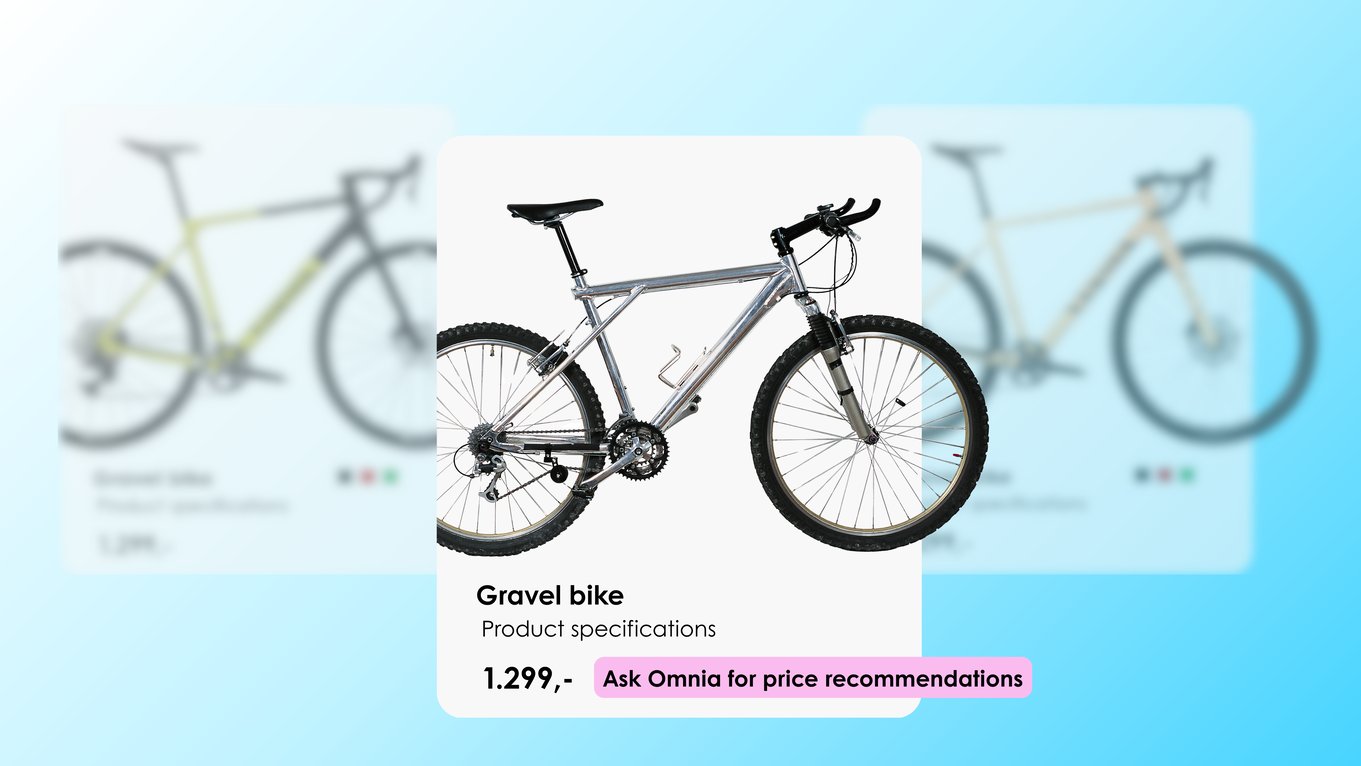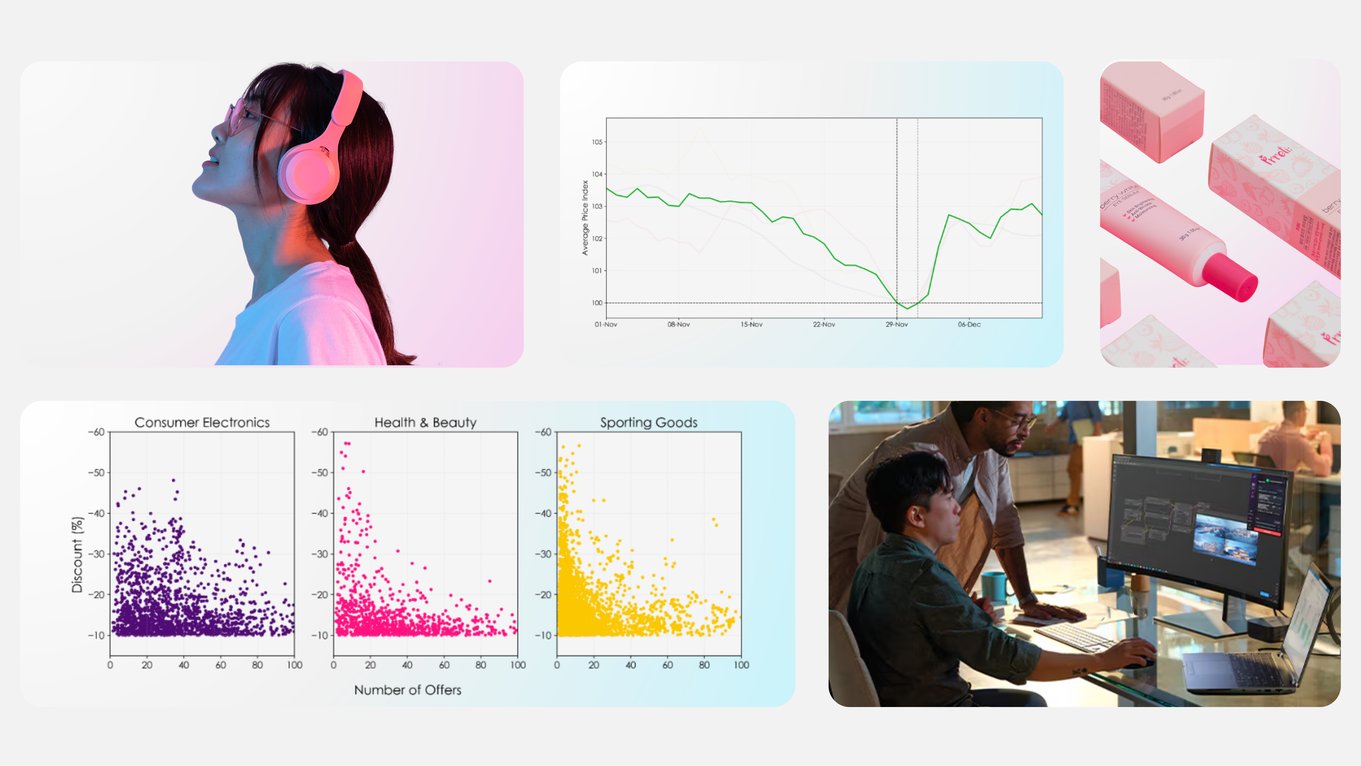

AI retail optimization is becoming a much broader and more strategic topic than many retailers initially expect. It does not refer to one isolated capability, and it is not limited to pricing alone. Instead, AI retail optimization is about using AI to improve how retailers respond to market changes, protect margins, improve commercial decision-making, and operate more efficiently across categories, channels, and assortments. In practice, pricing is often where this becomes most visible first, because pricing sits at the intersection of competitiveness, profitability, and speed.
That is why retailers exploring AI retail optimization often end up focusing on pricing use cases such as AI pricing optimization, retail pricing optimization, and AI price optimization. These are not separate from the broader optimization challenge. They are some of the clearest places where AI already creates measurable value. In this guide, we explain what AI retail optimization actually means, how it differs from more traditional retail decision-making, and why conversational tools like Omnia Agent are changing how retailers translate data into action.
What AI Retail Optimization Actually Means
AI retail optimization refers to the use of artificial intelligence to improve retail performance across multiple commercial areas. That can include pricing, product visibility, competitive monitoring, margin management, category performance, and decision speed. The main goal is not simply to process more data. The real goal is to improve how retail teams identify opportunities, understand risks, and act on changing market conditions.
In traditional retail environments, optimization often happened through separate workflows. Pricing teams used dashboards, ecommerce teams reviewed channel performance, and category managers interpreted market developments through a combination of reports and experience. Those processes can still work in stable markets, but they become harder to scale when prices, competitors, and customer behavior change continuously. AI retail optimization matters because it helps retailers move from fragmented analysis to more connected decision-making.
This is also why the keyword is broader than pricing, even if pricing remains the strongest use case. The best AI retail optimization platforms do not just show more data. They help users understand which changes matter, what commercial impact they may have, and what to do next.
.png?width=5760&height=3240&name=Omnia%20Agent%20Visuals%2020252026%20(1).png)
Why Pricing Sits at the Center of AI Retail Optimization
Although AI retail optimization is broader than pricing, pricing often becomes the first and most important application area. That is because price affects both competitiveness and profitability immediately. If prices are too high, visibility and conversion can suffer. If prices are too low, margin can erode quickly. In other words, pricing is one of the few retail levers that directly affects both growth and efficiency.
This is why terms such as AI retail pricing, AI pricing optimization, retail pricing optimization, and automated pricing optimization are so closely connected to AI retail optimization in practice. When retailers want to optimize commercially at scale, pricing is often the first place where the need becomes impossible to ignore.
Why AI Retail Optimization Matters More Than Ever
Retail has become much more dynamic over the last decade. Competitors change prices daily. Customers compare prices instantly across marketplaces and search engines. Product life cycles are shorter, and margin pressure has increased in many categories. Even small changes in price position can now affect both visibility and profitability much faster than before.
That means retail teams are operating in a more demanding environment than they were a few years ago. They need to understand what competitors are doing, how categories are shifting, and where commercial risk is emerging. At the same time, they cannot afford to react blindly to every market movement. Strong retail optimization is therefore not about following the market mechanically. It is about understanding when and where a response is necessary.
This is where AI retail optimization becomes valuable. It helps teams distinguish between noise and action-worthy change. Instead of asking users to manually search through dashboards and reports, it helps surface what is commercially relevant. That is exactly why more retailers are looking beyond traditional dashboards and toward systems that combine market data, analytics, and conversational AI.
From Traditional Retail Optimization to AI-Driven Retail Optimization
Traditional retail optimization workflows were usually built around periodic analysis. Teams reviewed reports, compared selected KPIs, and made changes based on what they found. That approach created structure, but it was often slow and fragmented. It also depended heavily on the user knowing where to look and how to interpret the output.
AI-driven retail optimization changes that model. Instead of relying on the user to manually connect the dots, AI can help identify patterns, summarize changes, and highlight commercial implications. The system becomes less of a static reporting environment and more of an intelligence layer that supports decisions.
In pricing, the difference is especially clear. Traditional pricing analysis often requires multiple steps: checking competitors, reviewing price indices, comparing category trends, and interpreting how those pieces fit together. AI retail optimization helps reduce that effort by allowing the system to perform more of the analytical work itself. This makes optimization much more scalable and much more aligned with how quickly retail markets actually move.
How AI Retail Optimization Works in Practice
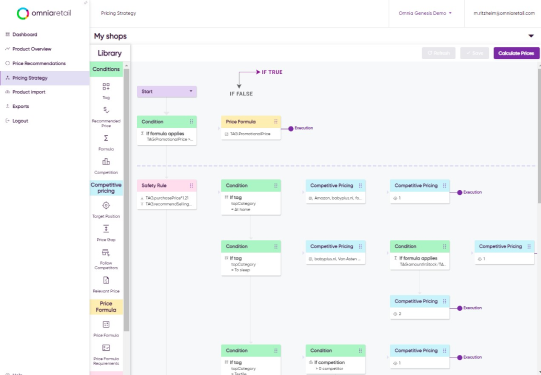
The most useful way to understand AI retail optimization is to see it as a layer that combines data visibility, prioritization, and action support. A modern AI retail optimization platform typically brings together external market signals such as competitor prices and product matching, along with internal signals such as pricing rules, assortment structure, and performance data. The system then analyzes what those inputs mean in context.
For example, if a competitor lowers prices aggressively in a visible category, the platform should not just display the price change. It should help the retailer understand the commercial implication of that move. Is the change limited to a few products, or does it affect the category more broadly? Does it threaten competitiveness? Does it require a pricing response, or can the retailer hold position without harm? These are the kinds of questions AI retail optimization helps answer.
That is why the category increasingly overlaps with AI pricing optimization and AI dynamic pricing. In many retail organizations, optimization becomes real only when insights are directly connected to pricing decisions and pricing execution.
Why Conversational AI Is Changing AI Retail Optimization
One of the biggest developments in modern retail software is the shift from dashboards to conversational AI. Traditional dashboards still depend heavily on manual exploration. The user needs to know which module to open, which filters to apply, and how to interpret the result. That is manageable in simple environments, but it becomes increasingly inefficient as assortment complexity and market speed increase.
Conversational AI changes this by allowing users to start with intent. Instead of asking, “Which dashboard should I open?”, the user can ask, “What changed this week in my category?” or “Where am I overpriced compared to the market?” The system can then retrieve the relevant data, run the analysis, and explain the answer.
This matters because the bottleneck in retail optimization is no longer data collection. The bottleneck is understanding. Teams often already have access to the information they need. What they lack is a fast, consistent, and scalable way to interpret it. Conversational AI addresses exactly that problem, which is why it is becoming such an important part of AI retail optimization.
How Omnia Agent Supports AI Retail Optimization
Within Omnia, this conversational intelligence layer is powered by the Omnia Agent. Omnia Agent is built directly into the platform and combines pricing expertise with access to your market data and internal pricing logic. Instead of asking teams to move between dashboards, reports, and spreadsheets, it allows them to ask pricing and market questions directly in natural language.
This is a meaningful step forward for AI retail optimization. Rather than acting like a passive reporting tool, the platform becomes a more active analytical partner. It helps pricing and retail teams identify what changed, why it matters, and where the next decision should be focused. That reduces the operational load associated with manual analysis and increases the amount of time teams can spend on strategic commercial work.
Just as importantly, the Omnia Agent supports this workflow without removing transparency. Recommendations remain grounded in visible market data, explainable logic, and the pricing rules that the retailer defines. That is essential, because optimization systems need to be useful not only technically, but also organizationally. Teams need to trust what the platform recommends and understand how it arrived there.
Why This Matters for Real Retail Teams
Retail teams are often balancing short-term commercial pressure with longer-term optimization work. They need to react to competitor moves, understand where margins are under pressure, and explain decisions to stakeholders. A system that only shows charts may create visibility, but it does not necessarily reduce workload. A system that helps interpret the market does.
This is the practical value of Omnia Agent in AI retail optimization. It shortens the path from market signal to commercial action. It also makes the platform more useful across different roles, because users do not need deep reporting expertise to get to a relevant answer. That is especially important as retail organizations look for ways to make data-driven decision-making more scalable across teams.
Real Use Cases of AI Retail Optimization with Omnia Agent
The strongest way to understand AI retail optimization is through use cases that connect directly to retail and pricing decisions. In practice, the most immediate applications usually involve price position, competitor behavior, and margin opportunity, because those are the areas where market pressure is most visible and most urgent.
Use Case 1: Detecting Structural Overpricing
One of the most common commercial risks in retail pricing is structural overpricing versus the market average. This does not mean a single product is slightly too expensive. It means that a category or product set may be consistently above competitive benchmarks in a way that hurts visibility and conversion.
With Omnia Agent, a pricing manager can ask: “Find products where I’m significantly overpriced compared to the market average.” The platform evaluates price indices across matched competitor products and highlights where prices materially deviate from the benchmark. More importantly, it also helps explain whether the issue is category-specific, competitor-driven, or connected to internal pricing logic. This is exactly the kind of insight that powers both AI price optimization and broader retail optimization.
Use Case 2: Understanding the Real Competitive Landscape
Retailers often think they know who their main competitors are, but category-level reality can be more nuanced. The competitors that matter most may differ depending on the assortment, the channel, or the brand in question. Strong AI retail optimization should therefore be based on actual competitive evidence rather than assumptions.
With Omnia Agent, pricing teams can ask: “Who are my competitors?” The platform analyzes matching and market data to identify which retailers and marketplaces most frequently appear in relevant competitive comparisons. This helps teams understand where to focus their pricing strategy and whether the current optimization logic is aimed at the right market players.
.gif?width=1920&height=1080&name=Omnia%20Agent%20-%20Who%20are%20my%20competitors%20(1).gif)
Use Case 3: Monitoring Match Rate Evolution
Optimization depends on strong market visibility. Match rate shows how much of the assortment is directly comparable to competitor products. If match rate drops, a retailer’s ability to optimize against the market also weakens, because fewer products are properly connected to relevant competitors.
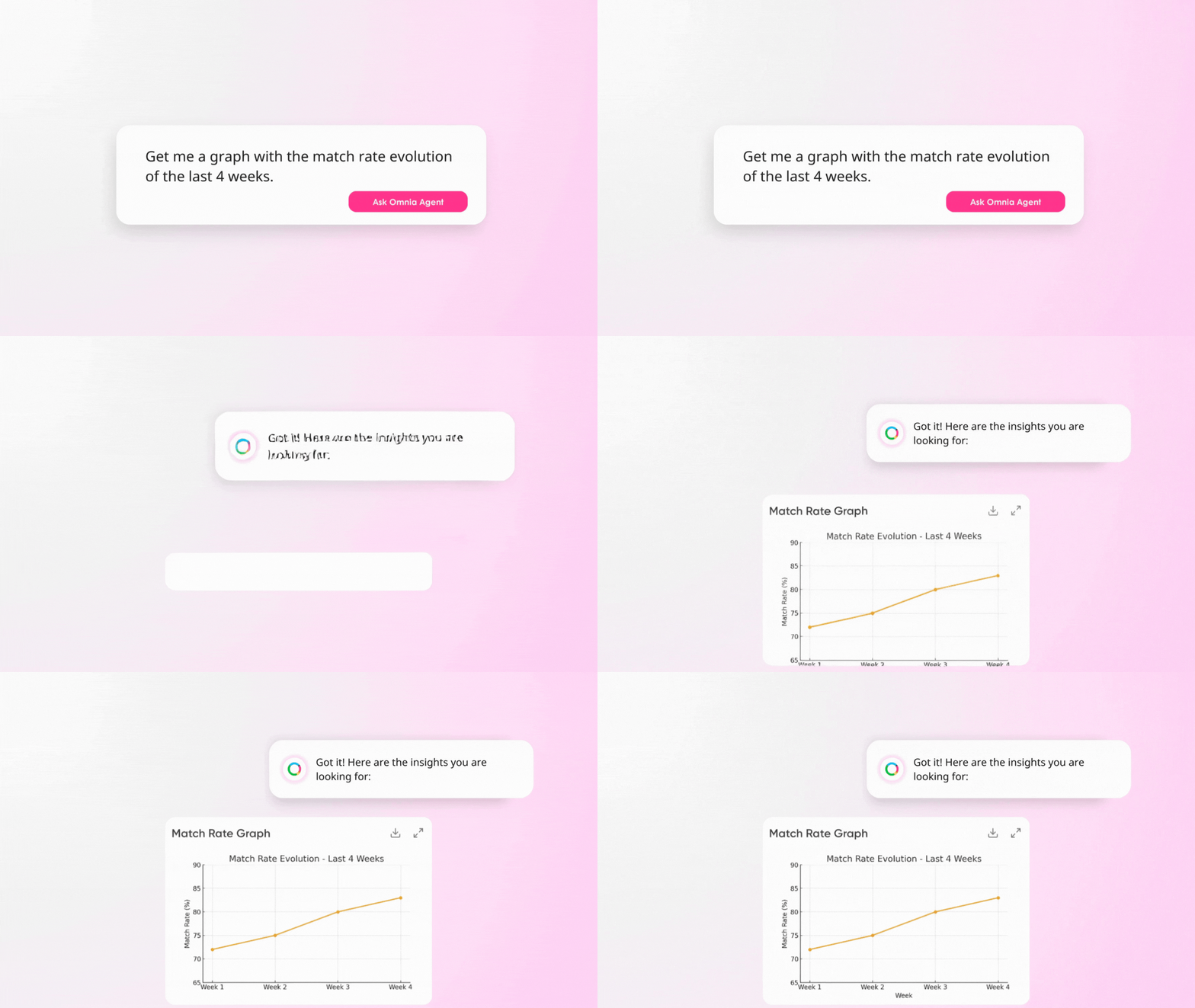
With Omnia Agent, a pricing manager can ask: “Get me a graph of the match rate evolution of the last 4 weeks.” The system retrieves the historical data, generates the graph, and explains whether the movement points to a temporary issue or a structural shift in competitive coverage. This turns a dashboard-driven reporting task into a much faster insight workflow.
Use Case 4: Understanding What Changed in a Category
Retail markets can shift quickly because of promotions, inventory issues, assortment changes, or new competitor actions. Pricing managers often need a simple answer to a broad question: what changed, and why should I care?
With conversational AI, they can ask: “What changed this week in my category?” Instead of comparing multiple reports manually, the platform analyzes period-over-period changes and returns a structured explanation. This makes category-level AI retail optimization far more practical for large assortments and fast-moving markets.
Use Case 5: Identifying Margin Opportunity by Category
Optimization is not only about staying competitive. It is also about improving margins where the market allows it. That requires more than competitor monitoring alone. It requires an understanding of spread, price position, and category dynamics.
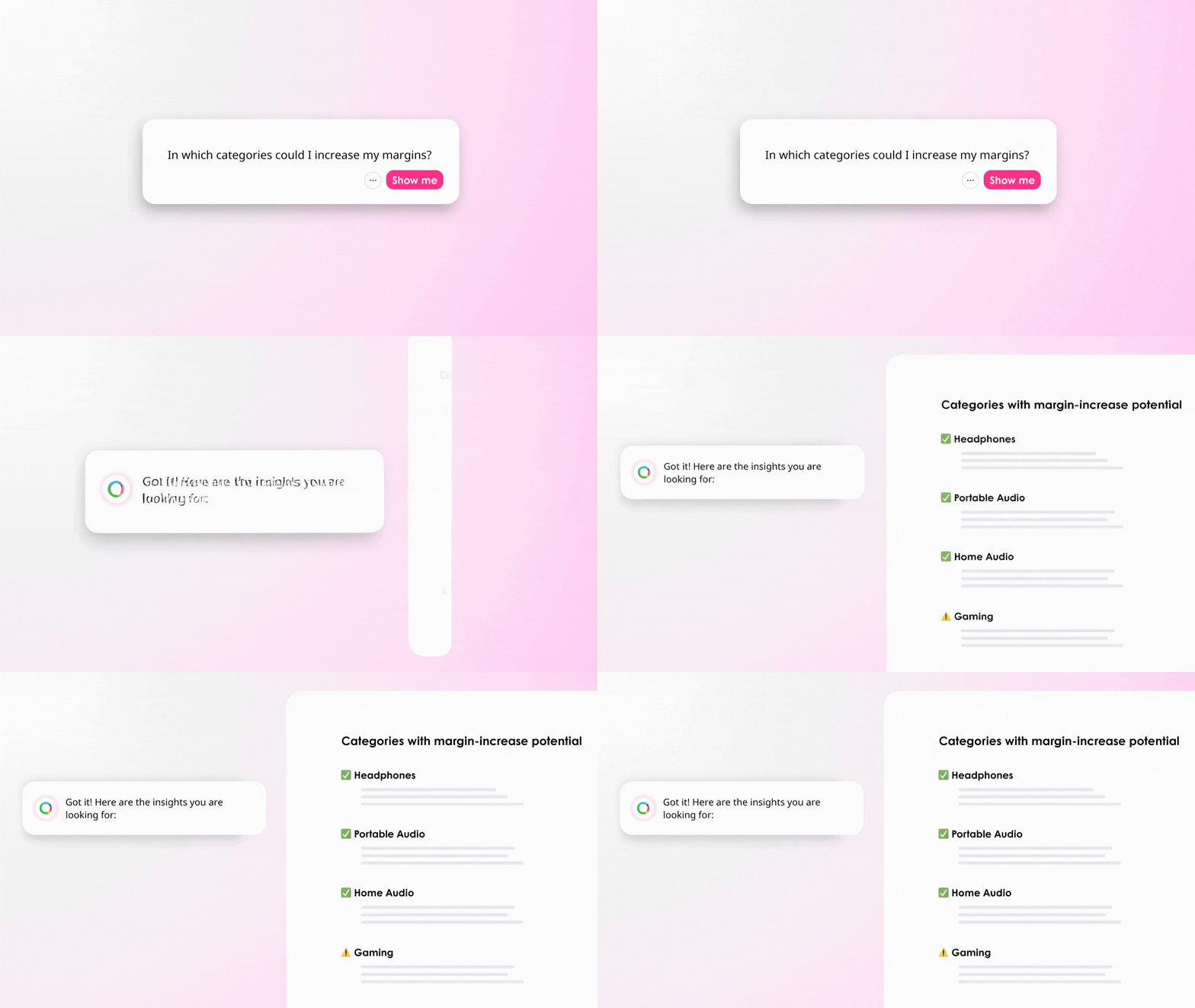
Omnia Agent supports this by allowing teams to ask: “In which categories could I increase my margins?” The platform evaluates the relevant market and pricing signals to identify where margin expansion may be possible without undermining competitiveness. This is a strong example of how AI pricing optimization supports strategic retail decisions, not just reactive ones.
What the Best AI Retail Optimization Tools Should Include
Not all optimization platforms create the same value. The strongest AI retail optimization tools combine several layers in one workflow. They need strong market data, accurate matching, clear benchmarking, and enough analytical depth to move beyond reporting. They also need to support action. If the platform identifies overpricing, competitor risk, or margin opportunity, it should help connect that signal to commercial execution.
Conversational AI is increasingly part of that requirement. It reduces analysis friction and makes optimization workflows much more usable in practice. That becomes especially powerful when retail optimization connects to related workflows such as AI dynamic pricing, price monitoring software, and agentic pricing. At that point, retail optimization is no longer a separate exercise. It becomes part of a continuous commercial operating system.
How AI Retail Optimization Connects to Automated Pricing Optimization
The connection between AI retail optimization and automated pricing optimization is strong because automation only creates value when it is informed by the right signals. A retailer may automate price changes, but if the system lacks proper market visibility, the automation may still be poorly targeted. That is why optimization and automation work best together.
AI retail optimization provides the intelligence layer. It identifies where the market changed, where the risks are, and where pricing opportunity exists. Automated pricing optimization provides the execution layer that allows those decisions to scale across large assortments without creating manual overhead. Together, they help retailers move faster while maintaining control.
Why Conversational AI Will Replace Dashboard Rituals in AI Retail Optimization
Many pricing teams still begin the day with dashboards. They review competitor movements, look at price position changes, and try to identify what matters. But this ritual is repetitive and time-consuming, and it is not the best use of pricing expertise. The real value of a retail pricing team is not in clicking through charts. It is in making stronger commercial decisions.
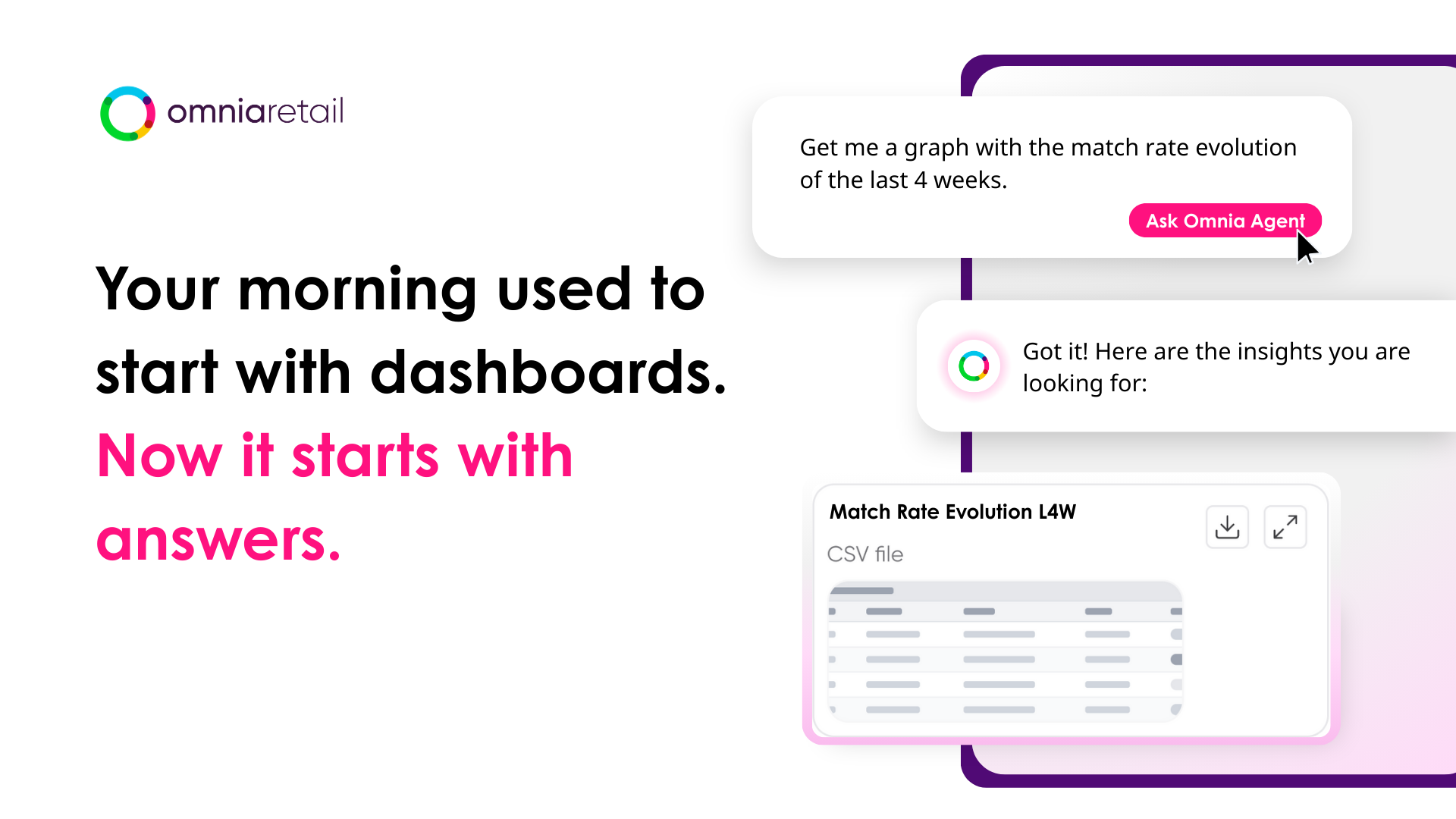
Conversational AI changes this dynamic. Instead of spending the first part of the day looking for signals, teams can begin with answers. They can ask what changed, where the risks are, where there is room to improve, and which competitors matter most right now. This is a major step forward for AI retail optimization, because the analytics layer no longer depends entirely on manual exploration.
How to Choose the Right AI Retail Optimization Platform
If you are evaluating AI retail optimization tools, the most important question is not whether the platform uses AI. The more important question is whether it helps your team get from market signal to pricing decision with less friction and more clarity. That means it should provide strong competitor data, useful benchmarking, explainable recommendations, and a workflow that fits how pricing teams actually work.
This is one of the clearest strengths of conversational and agentic systems. They reduce the effort needed to reach an answer while keeping the logic understandable. In practice, the strongest solutions increasingly combine market data collection, pricing analytics, conversational AI, and execution into one connected workflow. That is what makes them genuinely valuable for AI retail optimization.
The Future of AI Retail Optimization
The future of AI retail optimization is not defined by dashboards alone. It is defined by systems that can understand intent, analyze retail and pricing data in context, and explain outcomes clearly enough that teams can act with confidence. That is why the evolution from traditional retail workflows to AI-powered optimization is also an evolution in usability.
For retailers and brands, this matters because market complexity is not decreasing. Teams that still depend entirely on manual dashboards and fragmented workflows will increasingly struggle to keep up. Teams that adopt more intelligent, explainable, and conversational optimization systems will be able to think faster, act faster, and stay more aligned with their commercial goals.
The future of retail optimization is not just automated. It is intelligent, conversational, and agentic.