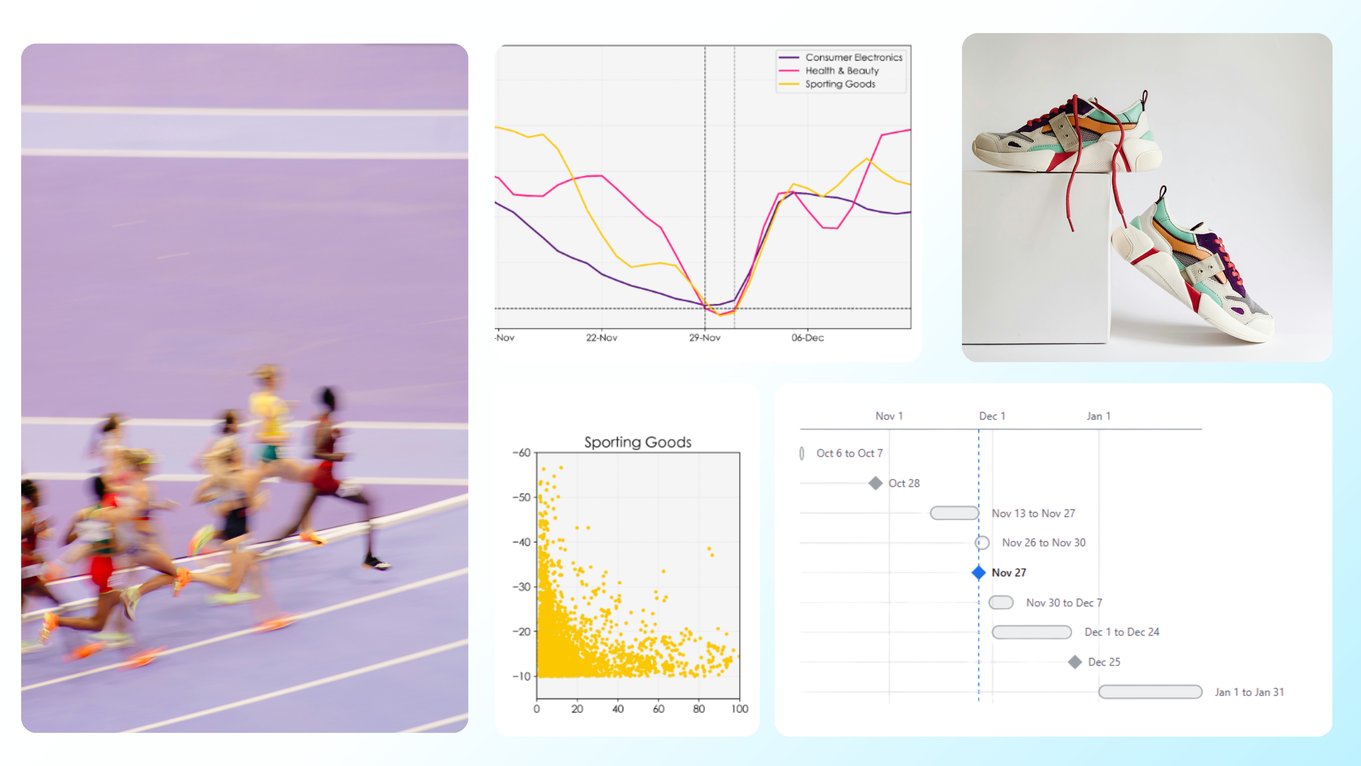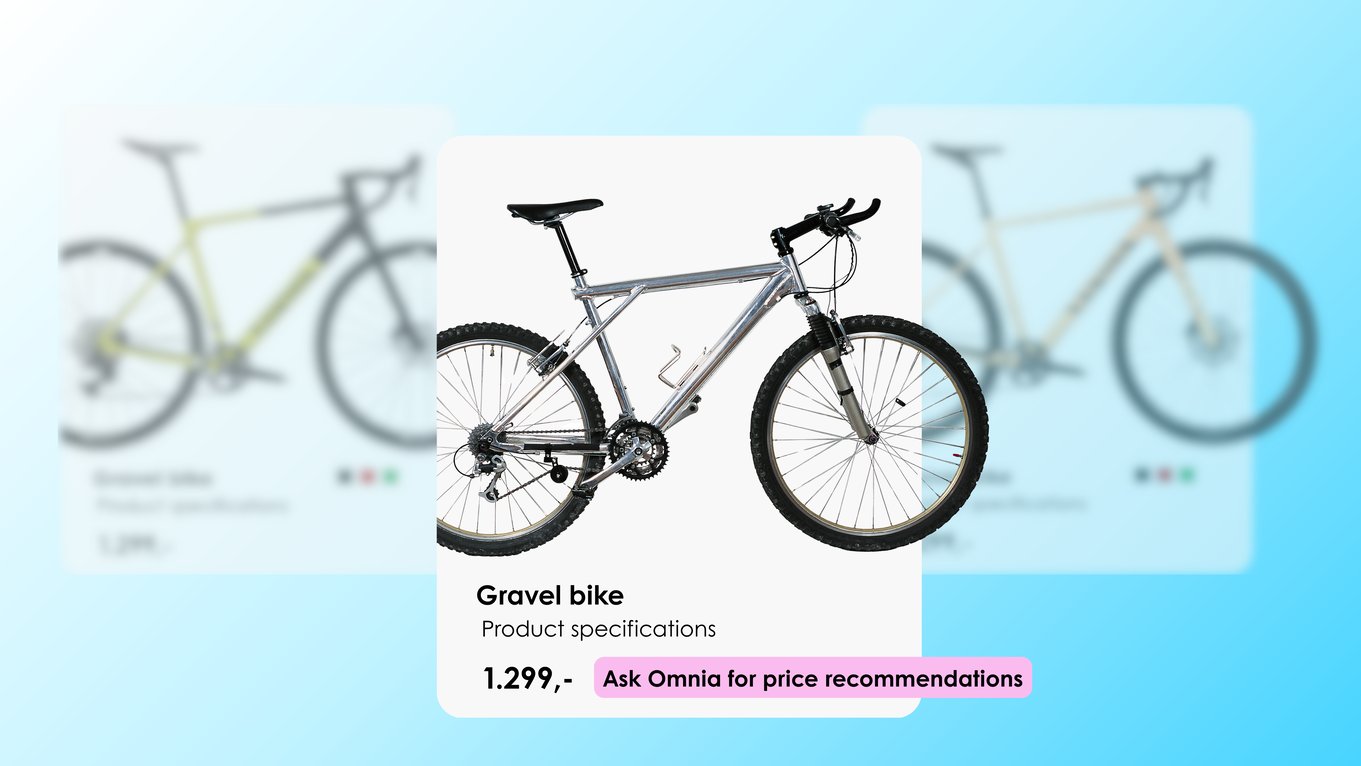

Retail pricing has changed. Markets move in hours, not weeks. Competitors update faster, marketplaces amplify transparency, and pricing teams are expected to protect margin while staying competitive across thousands (or millions) of SKUs. That’s where AI Dynamic Pricing Software and AI Pricing Software come in: not as a buzzword, but as the operational layer that turns market signals into controlled pricing decisions at scale.
This article combines the most useful parts of three core topics—dynamic pricing foundations, how AI changes pricing execution, and what "agentic" pricing means in practice—into one updated, non-generic guide. You’ll learn what AI dynamic pricing actually is, why it matters, how it works, and how pricing teams implement it without losing transparency or control.
What Is AI Dynamic Pricing in Retail?
AI Dynamic Pricing is pricing that updates continuously because software interprets market signals and executes pricing logic in near real time. It is not simply about changing prices frequently. It is about translating complex inputs—competitor movements, marketplace dynamics, demand shifts, inventory pressure, and category behavior—into structured decisions that teams can govern, test, and scale.
In practice, AI Dynamic Pricing Software monitors the market across channels such as webshops, Google Shopping, marketplaces, and competitor sites. It detects what has changed and applies your strategy rules or optimization objectives to decide where prices should move, how far they should move, and when changes should happen. This matters because manual pricing cycles cannot keep pace with modern retail dynamics.
Dynamic pricing describes the outcome: prices change. AI dynamic pricing describes the mechanism: software interprets signals and executes decisions at scale. When implemented well, it reduces spreadsheet dependency and shifts pricing teams toward strategic steering—defining margin guardrails, price position targets, brand constraints, and category priorities.
.gif?width=1920&height=1080&name=Omnia%20Agent%20-%20Who%20are%20my%20competitors%20(1).gif)
AI Dynamic Pricing vs Personalized Pricing
Personalized pricing adjusts prices at the individual level based on user behavior or purchase history. While technically powerful, it can raise trust concerns and regulatory risk when customers discover price differences for identical products.
AI Dynamic Pricing responds to market context instead of personal identity. It reacts to competition, demand, inventory levels, product lifecycle stage, and channel dynamics. This approach helps retailers and brands remain competitive and protect margins while keeping pricing consistent, explainable, and aligned with brand strategy.
Why AI Dynamic Pricing Matters in E-commerce
E-commerce fundamentally changed pricing behavior. Comparison shopping and marketplaces made prices transparent, while the speed of price changes increased dramatically. The challenge today is not whether prices can be updated, but whether the right prices can be updated quickly, safely, and consistently across channels.
Consumer electronics illustrates this clearly. Short product life cycles, frequent competitor changes, and high price sensitivity demand systems that continuously recalculate prices without sacrificing margin control or brand positioning. As online share grows, the same dynamics appear in other categories.
- Price transparency increased: shoppers compare prices instantly, making even small differences commercially relevant.
- Price changes became constant: retailers now set market-driven prices multiple times per day using live signals.
What AI Pricing Software Enables
Modern AI Pricing Software reshapes daily pricing operations. It is not only about being cheaper than competitors, but about managing price position and margin coherently across categories, regions, and channels.

Protect margin while remaining competitive
AI dynamic pricing allows teams to defend competitiveness where it matters most, while preserving margin where demand is less elastic. Rules and guardrails prevent destructive discounting.
Respond to competitor changes without manual effort
Instead of monitoring competitors SKU by SKU, AI Dynamic Pricing Software tracks the market continuously and executes strategy automatically across large assortments.
Use pricing to improve inventory outcomes
AI-driven pricing supports inventory health by adjusting prices based on stock depth, sell-through speed, and lifecycle stage—without undermining brand integrity.
Base decisions on market reality
By connecting competitor data, demand signals, performance metrics, and inventory positions, AI Pricing Software replaces intuition with evidence and makes pricing decisions easier to defend internally.
How AI Dynamic Pricing Software Works
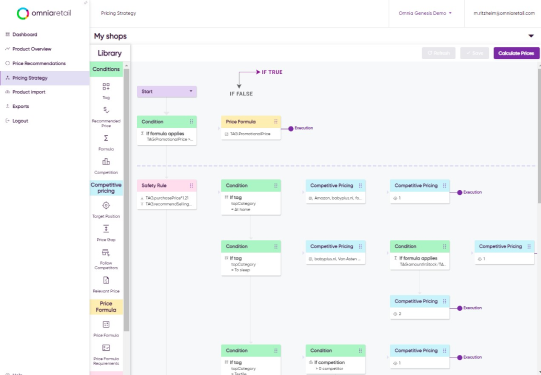
Traditional dynamic pricing relies on manual promotions and seasonal markdowns. AI Dynamic Pricing Software integrates market data, internal constraints, and business logic into a system that executes pricing decisions continuously across online and offline channels.
For teams evaluating vendors, structured comparison is essential: How to buy pricing software for retailers .
AI Dynamic Pricing also extends into physical stores through electronic shelf labels (ESLs) , enabling synchronized pricing across channels with minimal operational friction.
.png?width=1030&height=716&name=Screenshot%20of%20pricing%20strategy%20tree%20(1).png)
From AI Dynamic Pricing to Agentic Pricing
Many AI pricing tools excel at execution but still require significant manual analysis. Dashboards show what happened, but pricing managers must interpret signals and connect them to strategy. Agentic Pricing addresses this gap by adding a reasoning layer on top of AI Dynamic Pricing Software.
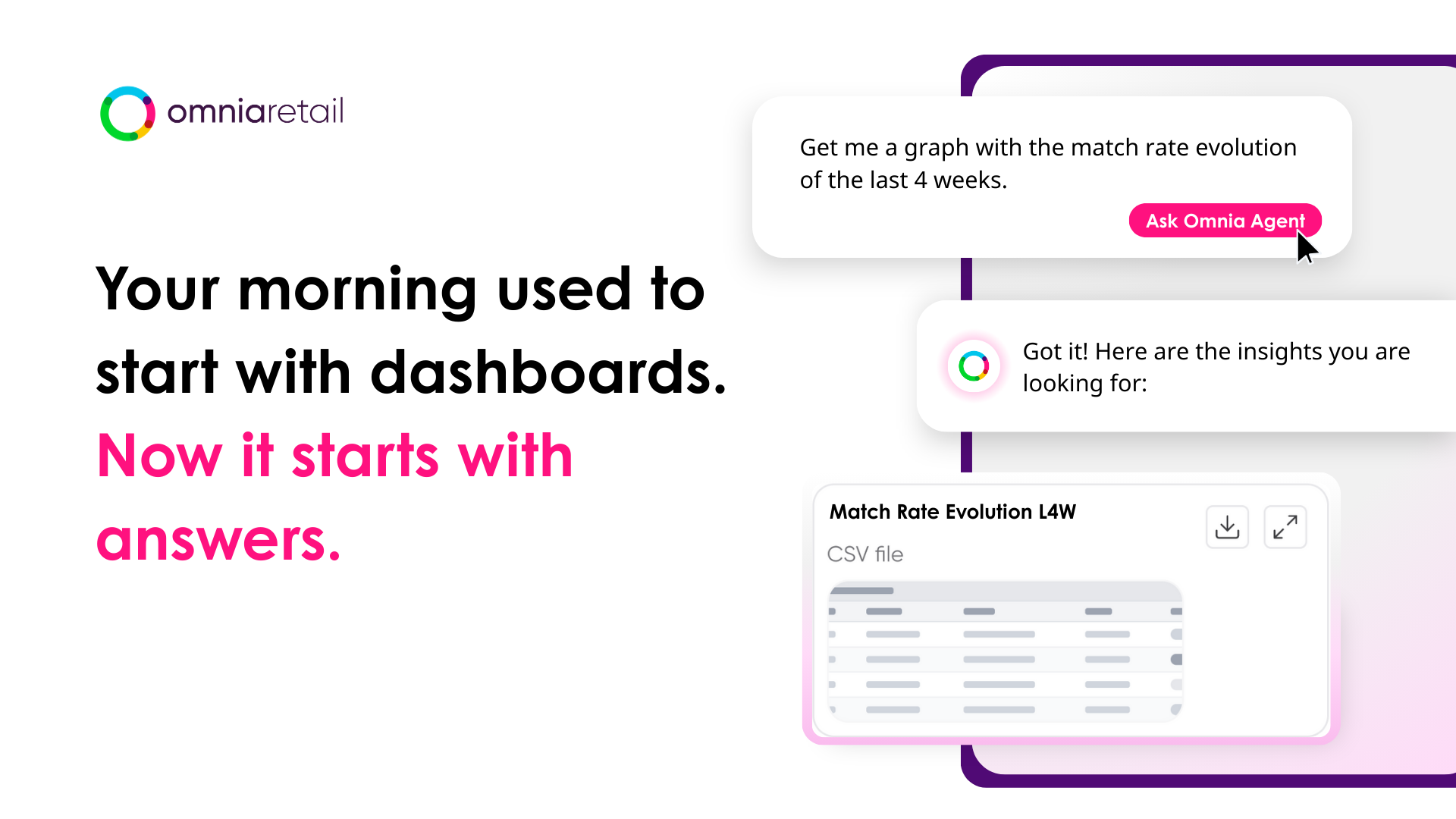
- Ask pricing questions in natural language
- Receive contextual explanations and recommendations
- Maintain full transparency and control
Practical Agentic Pricing Use Cases
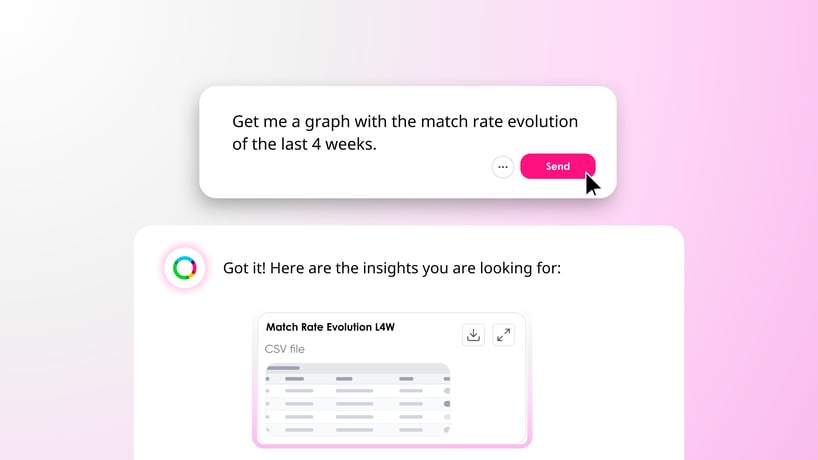
Monitor match rate evolution instantly
Match rate indicates how much of your assortment is directly comparable to competitors. When it drops, competitive visibility is at risk. Agentic AI allows teams to request trend analysis instantly instead of building reports manually.
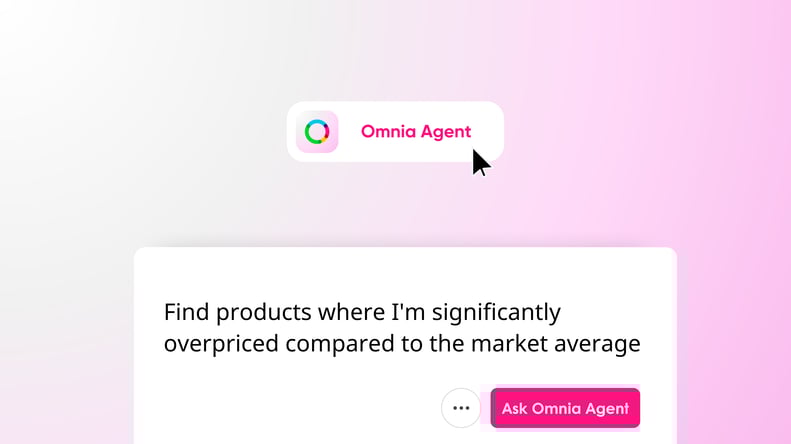
Identify structural overpricing
Structural overpricing quietly reduces competitiveness. Agentic Pricing surfaces products priced significantly above market benchmarks and explains whether this is driven by category behavior, competitor shifts, or pricing rules.
Conclusion
Dynamic pricing is becoming the default. The real differentiator is whether AI Pricing Software helps teams understand market behavior and act with confidence. Systems that combine execution with explanation will define the next generation of pricing.
The future of pricing is not just dynamic. It is agentic.
Interested in seeing how AI Dynamic Pricing works in practice? Book a demo.