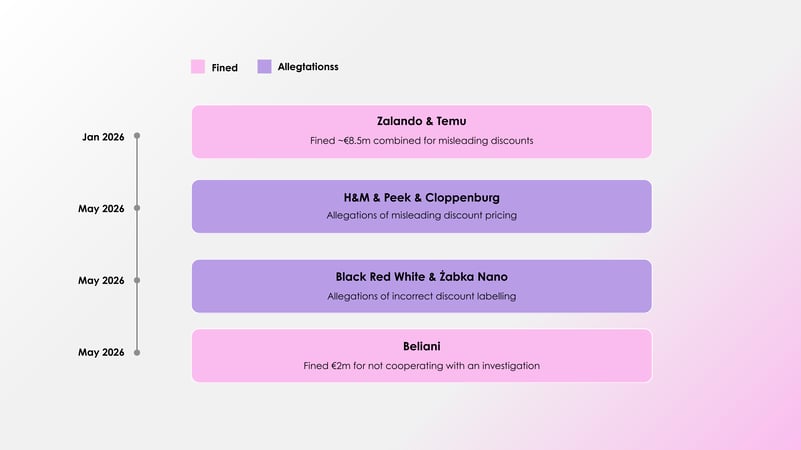
In January 2026, Poland's competition authority fined Zalando and Temu a combined nearly PLN 37 million, roughly €8.8 million, for the same thing: discounts that weren't calculated the way EU law requires. Zalando accounted for the larger share of the fine, Temu the smaller, for a pricing practice that's still common across European ecommerce.
What Zalando and Temu got fined for
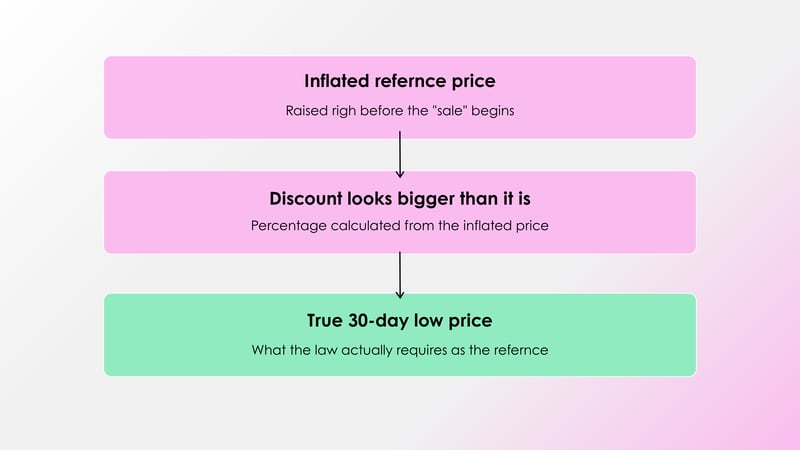
The rule dates back to 2022, when the EU's Omnibus Directive amended the Price Indication Directive. Article 6a is simple in principle: any advertised discount has to be calculated against the lowest price the retailer charged for that product in the preceding 30 days. Not the manufacturer's suggested retail price. Not a "regular" price that was quietly raised the week before. The actual lowest price the retailer itself sold it for, in the last month. (For the full mechanics and a compliance checklist, see our existing guide to the Omnibus Directive.)
UOKiK's decision on Zalando found that the company did disclose a 30-day reference price, but the value was unreliable and inconsistent. Sometimes it appeared on the platform but not in external ads. Sometimes the "initial" or "regular" price used to calculate the discount wasn't the true 30-day low, which made the advertised percentage look bigger than the real saving.
Temu's issue was more basic: the 30-day reference price often wasn't displayed at all, leaving shoppers with no way to judge whether a deal was real.
One complaint cited in reporting on the case sums up the problem shoppers were running into: a pair of shoes bought one day for 130 zloty, discounted from an advertised 259, showed up the next day at 255, still marked roughly 20% off a "30-day low" of 319. The math didn't hold up.
This isn't a one-off. It's a pattern UOKiK is working through
Zalando and Temu are the highest-profile names, but they're one stop on a list Poland's regulator has been moving through steadily since late 2025.
In 2026, UOKiK also brought allegations against H&M and Peek & Cloppenburg over misleading information on price reductions, with penalties for this type of violation reaching up to 10% of turnover under Polish law. Black Red White and Żabka Nano picked up similar allegations. Beliani was fined €2 million in May 2026, in that case for not cooperating with an investigation rather than for the pricing practice itself, a reminder that stonewalling a regulator carries its own separate risk.
It's not just Poland
Poland's enforcement has moved fastest and hit hardest so far, but the underlying rule applies EU-wide, and other member states are already active. Five Dutch companies have been fined a combined €621,000 under the same directive. A Munich court separately ruled that Amazon's Prime Deal Days discounts, which benchmarked against manufacturer suggested retail price rather than the 30-day low, didn't comply either.
Omnia's own data shows exactly how this happens at scale
None of this is limited to marketplace giants running headline sales events. Omnia's pricing data shows the same pattern, quietly, across ordinary product catalogs.
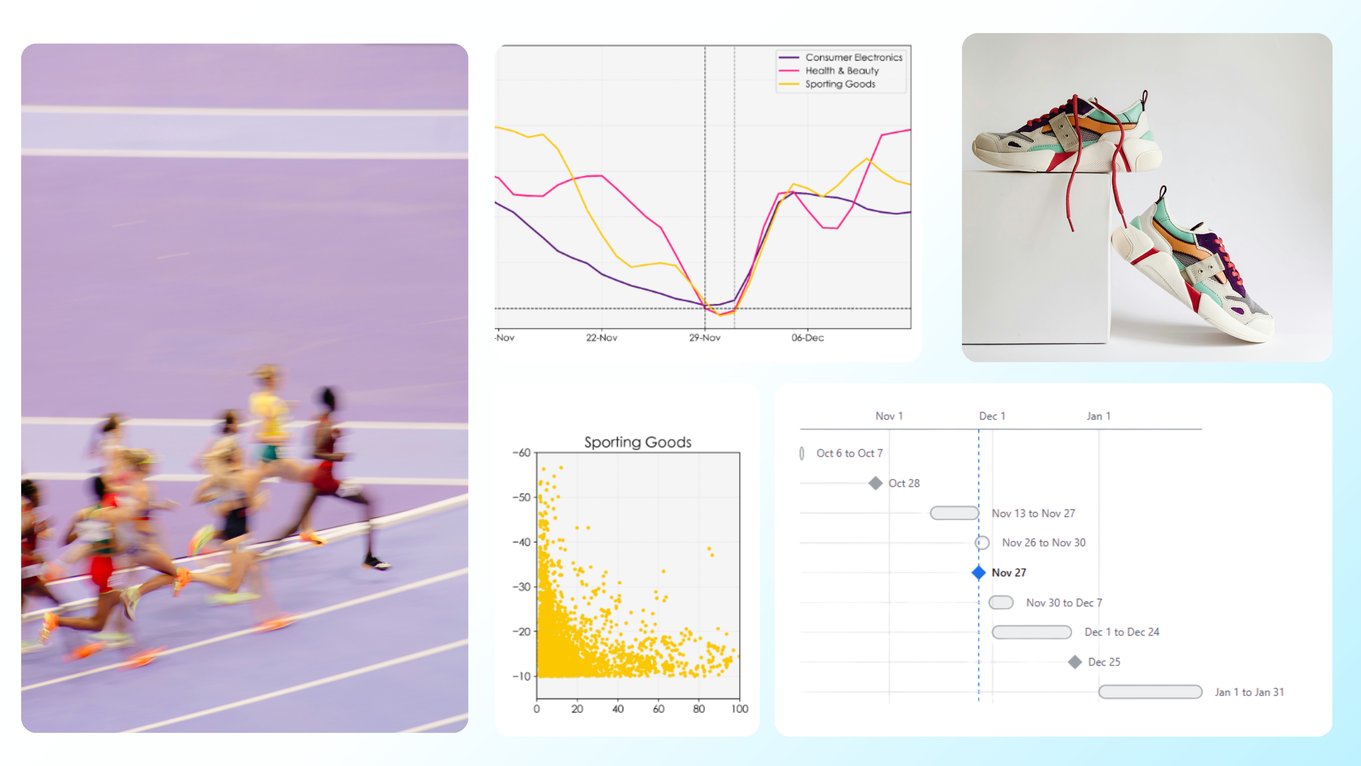
During Prime Day 2026, Omnia tracked 1.19 million products across the European market. Of those, 11.6% got more expensive in the run-up to the event, a pattern that creates exactly this kind of regulatory exposure. The year before, Prime Day 2025 data showed average prices climbing from €142.78 to €148.28 in the two to three weeks before the event, only to land back at €142.77 once the "discount" applied. For a large share of tracked products, the deal didn't lower the price. It reset it to where it had been a month earlier.
Even more tellingly, 45.5% of tracked products actually cost more the week of Prime Day 2025 than they had the week before it.
This isn't a story about one bad actor. It's a pattern built into how a lot of promotional pricing gets planned, often without anyone intending to break a rule.
.png?width=854&height=480&name=LinkedIn%20Visuals%20-%20Sander%20(5).png)
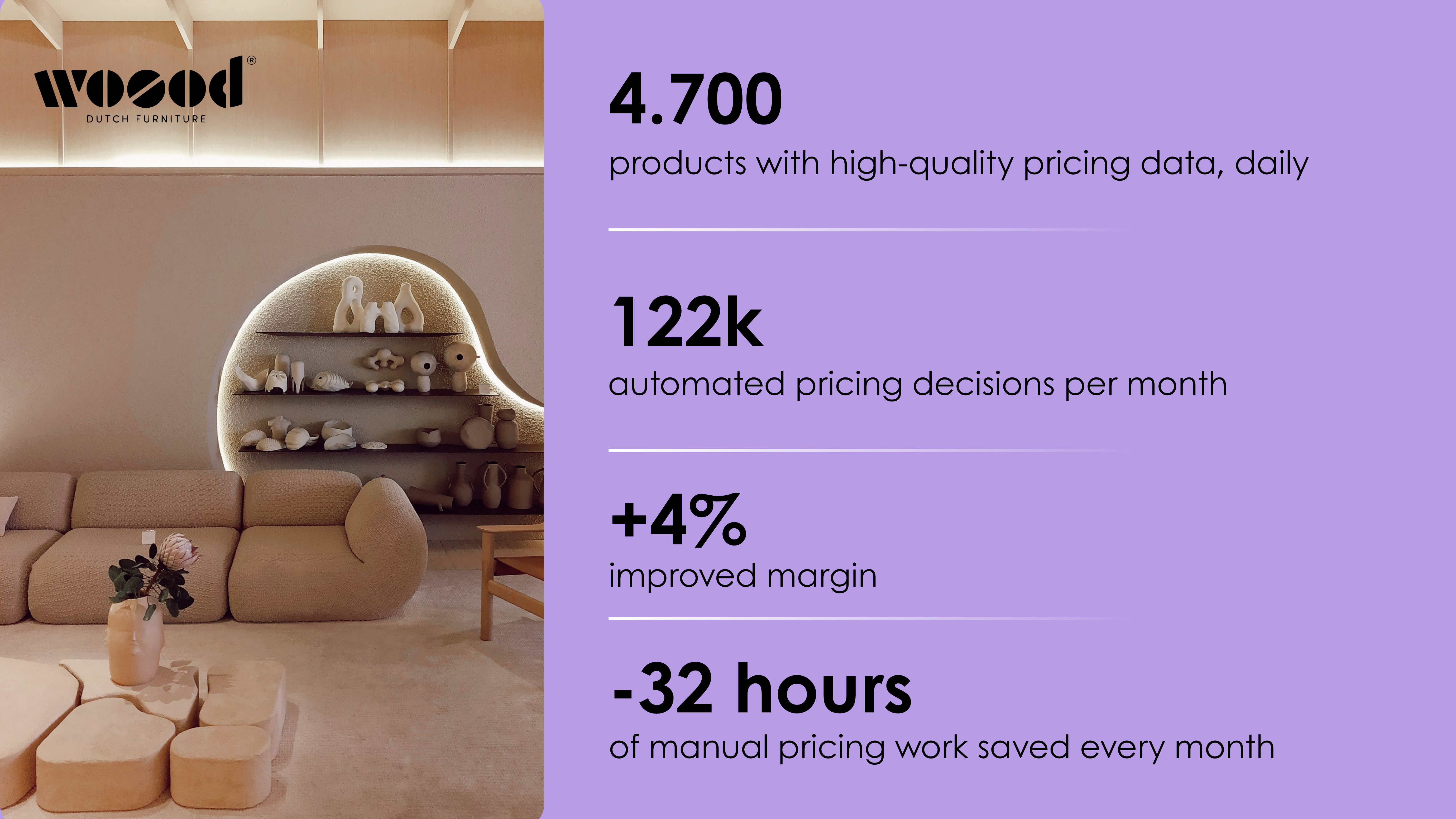
WOOOD boosts margins by 4% with automated pricing from Omnia
How to check if you're exposed
A short, practical gut-check for any pricing or ecommerce team:
-
Can you produce, per SKU, the actual lowest price you charged for that product in the last 30 days? Not the RRP. Not a list price. The real price you sold it at.
Is that reference price consistent everywhere the product appears, your own site, marketplace listings, and any third-party ads? Zalando's fine specifically cited inconsistency across channels as part of the problem.
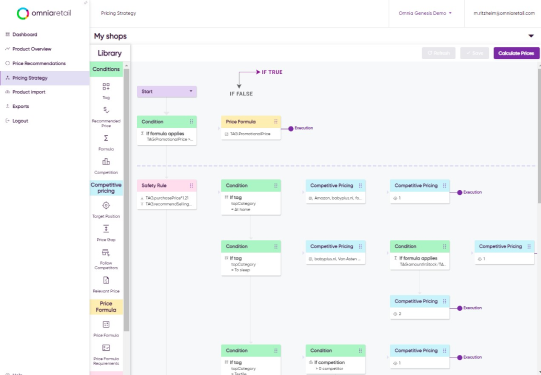
Omnia's Directive Pricing Indicator shows the lowest selling price for each product over the past 30 days, right on the dashboard, so teams can see at a glance whether a promotion holds up under the rule before it runs.
The takeaway
Poland's fines aren't really a Zalando story or a Temu story. They're a preview of enforcement that's already spreading to other member states and other retailers, and Omnia's own data suggests the underlying practice, prices quietly rising before they're "cut," is still widespread. The 30-day lowest price rule isn't new. What's new is how seriously it's being checked.