
Your product's price can determine your business's success or failure. A small price difference could win or lose a sale in today's crowded markets, even though competitive pricing might seem simple.
Competitive pricing provides a straightforward way to position products in the market. Many businesses make the mistake of simply copying their competitors' prices. This approach often leads to missed opportunities and lower profits. Smart competitive pricing needs careful price selection based on market competition. The goal isn't to slash profits or start a race to the bottom.
This piece reveals common misconceptions about competitive pricing strategies. You'll discover how these strategies work and why pricing software gives you up-to-the-minute data analysis to make smarter pricing decisions. The discussion includes practical examples to help you dodge typical mistakes, plus the pros and cons of competitive pricing.
What is Competitive Pricing?
Competitive pricing is a strategy where businesses set their prices based on the prices of their competitors. Instead of determining prices solely based on production costs or desired profit margins, companies analyze the market and adjust their pricing to stay competitive. This approach is commonly used in highly competitive industries, such as retail and e-commerce, where price sensitivity plays a crucial role in consumer decision-making.
The benefits of competitive pricing
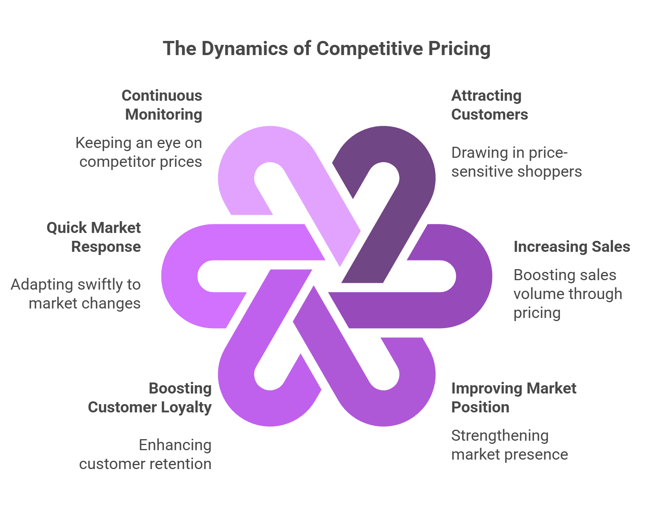
The primary benefit of competitive pricing is that it helps businesses attract price-conscious customers and increase sales. By offering prices that align with or undercut competitors, companies can improve their market position and boost customer loyalty. Additionally, this strategy allows businesses to react quickly to market changes, ensuring they remain relevant and appealing to consumers. However, it requires continuous monitoring of competitor pricing to maintain effectiveness.
Why Most Businesses Fail at Competitive Pricing
Businesses often struggle with competitive pricing because they don't understand the basics. Studies show that competitor-based factors explain 30.2% of price variations in certain markets.
Focusing only on competitor prices
Your business success faces real risks when you blindly copy competitor prices. You make poor decisions by setting prices without knowing your competitors' strategies or costs. Price wars often start when businesses only try to match or undercut competitors, especially in markets with many competitors or price-sensitive customers.
Smart businesses analyze their unique value instead of just matching market prices. Companies that only rely on competitor pricing lose their grip on real market demand over time. Lower prices don't always attract more customers - they can make people doubt your product quality and cut into your profits.
Ignoring customer value perception
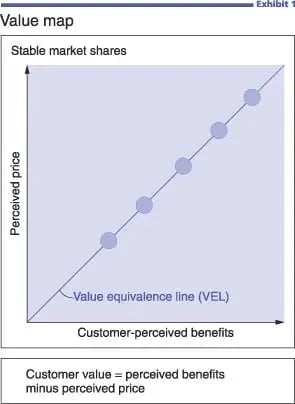
Businesses make a huge mistake when they overlook how customers link price to value. Studies show 71% of shoppers trust the brands they buy from, with Gen Z caring about this the most. Customers judge value based on quality, brand reputation, and their overall experience.
Price makes up just one part of the value equation. Research of McKinsey shows customers decide to buy based on what they think they'll get minus what they think they'll pay. The best pricing strategies look at both sides rather than just focusing on costs.
Not considering market dynamics
The market keeps changing, and so should your pricing strategy. Businesses must keep checking their pricing approaches to stay ahead of competitors. Keep an eye on supply and demand changes that affect pricing, observe customer behavior and market trends, and adjust prices proactively while considering regional differences in perceived value.
Retailers who use flexible pricing strategies can increase profits by 5% to 10%. But to keep your competitive pricing strategy working, you need to analyze the market constantly and adapt to new conditions.
Key Elements of Successful Competitive Pricing
Market positioning is the lifeblood of effective competitive pricing. Your market position helps you make pricing decisions that match customer expectations.
Understanding market positioning
Your market position shapes how consumers see your brand compared to competitors. You can build a unique identity in the marketplace through product features, price points, and quality indicators.
Examples of competitive pricing strategies
These effective competitive pricing approaches work well:
-
Price matching: Your prices stay equal to competitors while you highlight unique value
-
Premium pricing: Higher prices show superior quality or exclusive offerings
-
Penetration pricing: Lower prices help gain market share, which works best for new market entrants
Research shows that businesses that use dynamic pricing strategies see 5-25% more revenue when they adjust prices based on market demand.
Advantages of competitive pricing
Competitive pricing helps businesses attract customers by offering prices that align with or undercut competitors. This strategy can increase sales volume, enhance market positioning, and boost customer loyalty. It also allows businesses to stay relevant in highly competitive industries by responding quickly to market fluctuations.
Advantages:
-
Makes pricing easier
-
Boosts sales volume
-
Responds fast to market changes
-
Guards market share
.png?width=650&height=426&name=_-%20visual%20selection%20(1).png)
Disadvantages of competitive pricing
While competitive pricing can be effective, it also comes with drawbacks. Focusing solely on competitor prices may cause businesses to overlook critical factors like production costs, profit margins, and customer perception of value. This approach can lead to price wars, reducing profitability and making long-term sustainability more challenging.
Disadvantages:
-
Might not cover operating costs
-
Could start price wars
-
Misses customer value perception
-
Wrong pricing happens if competitors make mistakes
Your competitive pricing success needs constant market monitoring and smart positioning choices. Good pricing software and market analysis tools help you stay competitive while keeping profits healthy.
Real-Time Competitor Pricing Insights
As a large retailer or D2C brand, it's vital to monitor supply and demand changes affecting pricing. Observing customer behavior and market trends allows proactive price adjustments, ensuring competitiveness and meeting audience expectations. Regional value differences should also be considered.
Price monitoring software is crucial for real-time monitoring, offering insights into market dynamics and competitor pricing. This tool helps maintain competitive and attractive prices, maximizing profits and strengthening market position.
How to Set Up Competitive Pricing Strategies?
A competitive pricing strategy works best with systematic implementation. Start by finding direct competitors who sell similar products and indirect competitors with alternative offerings. Next, build a data collection system using price-tracking software that pulls competitor pricing information automatically.
The best results are driven by key factors such as market positioning and value proposition, which determine a product's competitive edge, along with inventory levels and demand patterns that ensure optimal stock management. Additionally, seasonal variations influence consumer behavior, while regional price differences play a crucial role in pricing strategies, all contributing to overall success.
Automated pricing tools let you view data through different parameters. You can sort by price range, product performance, and shipping options. Of course, human oversight is vital - don't let algorithms make all your pricing decisions.
Price intelligence software helps businesses spot opportunities and react quickly to market changes. This makes competitive pricing a vital part of business without cutting into profits. These tools help maintain the best price points through systematic monitoring while keeping profit margins healthy.
Conclusion
Price competitiveness drives business success, but matching competitor prices alone misses significant market opportunities. Companies that use strategic competitive pricing among modern pricing tools see revenue increases of 5-25%.
Businesses thrive when they balance multiple pricing factors. A company's market position, customer perception of value, and operational costs matter as much as competitor prices. Price tracking software helps track these elements and make analytical insights that protect profit margins.
Your unique value proposition matters more than constant price matching. Research indicates that 71% of customers value brand trust over the lowest prices. Pricing software helps spot opportunities, analyze market patterns, and adjust prices strategically without hurting profits. Here you can read more information about selecting the right Pricing Software for your needs.
Price competitiveness needs constant monitoring and quick market responses. The right pricing tools and regular market analysis help maintain optimal price points and build strong customer relationships. Note that competitive pricing becomes a powerful strategy when used wisely, not as a simple copy-paste solution.
Learn more about our revolutionary and intuitive approach to Dynamic Pricing here.
- What is Price Monitoring?: Check out everything you need to know about price comparison and price monitoring.
- What is Charm Pricing?: A short introduction to a fun pricing method.
- What is Penetration Pricing?: A guide on how to get noticed when first entering a new market.
- What is Bundle Pricing?: Learn more about the benefits of a bundle pricing strategy.
- What is Cost Plus Pricing?: In this article, we’ll cover cost-plus pricing and show you when it makes sense to use this strategy.
- What is Price Skimming?: Learn how price skimming can help you facilitate a higher return on early investments.