Price Points by Omnia Retail

In Omnia's Pricing Blog, our pricing experts cover all the latest trends, Omnia pricing events, customer insights and pricing strategies.

When Shopping Agents Meet Pricing Agents: Your Guide to Agentic Commerce

Your customer just asked ChatGPT to find them the best coffee maker under $200. Within seconds, the AI scanned 47 products across 12 retailers, compared 2,300 reviews, checked current inventory levels, and presented...
Your customer just asked ChatGPT to find them the best coffee maker under $200. Within seconds, the AI scanned 47 products across 12 retailers, compared 2,300 reviews, checked current inventory levels, and presented three finalists with pros, cons, and a clear recommendation. Your dynamic pricing rule—the one that took three weeks to build and runs once daily at 2 AM? It never saw this coming. Welcome to agentic commerce, where AI agents shop for buyers while AI agents price for sellers. And if you think this sounds like science fiction, the data says otherwise: 4,400 people search for “agentic commerce” every month, and that number doubles every quarter. This isn’t a distant future scenario. Amazon’s Rufus is already helping millions of shoppers. Google’s Shopping AI compares products in real-time. And retail pricing strategies built for human shoppers? They’re about to become spectacularly obsolete.

Read More When Shopping Agents Meet Pricing Agents: Your Guide to Agentic Commerce
When Shopping Agents Meet Pricing Agents: Your Guide to Agentic Commerce

Prime Day 2026: Pricing Data Review, and What Retailers Need to Know

45.5% of products actually increased in price during Prime Day 2025. That’s not a typo—nearly half of all “discounted” items cost more during Amazon’s biggest sales event than they did before it started. This finding...
45.5% of products actually increased in price during Prime Day 2025. That’s not a typo—nearly half of all “discounted” items cost more during Amazon’s biggest sales event than they did before it started. This finding from Omnia’s deep dive into Prime Day 2025 data reveals the sophisticated pricing game that European retailers need to understand as they prepare for Amazon Prime Day 2026. With Amazon shifting the event to an earlier date and extending promotional periods, the stakes have never been higher for category and pricing managers.

Read More Prime Day 2026: Pricing Data Review, and What Retailers Need to Know
Prime Day 2026: Pricing Data Review, and What Retailers Need to Know

Prime Day 2025: Pricing Data Review & Competitor Analysis

Amazon's Prime Day 2025 concluded last week, marking its longest duration yet, spanning four days from July 8 to July 11. The extended event was positioned by Amazon as another record-breaking success, with early...

Amazon's Prime Day 2025 concluded last week, marking its longest duration yet, spanning four days from July 8 to July 11. The extended event was positioned by Amazon as another record-breaking success, with early industry reports acknowledging its expanded sales footprint. However, for pricing teams and retail analysts, the true measure of Prime Day's impact extends beyond initial headlines. This year's event prompts a deeper inquiry into the actual efficacy of advertised deals, the strategic pricing maneuvers employed by Amazon, the reactive dynamics among European competitors, and the growing legal scrutiny facing promotional pricing practices. This post will dissect these key points to provide a more comprehensive understanding of Prime Day 2025's impact on retailers.

Read More Prime Day 2025: Pricing Data Review & Competitor Analysis
Prime Day 2025: Pricing Data Review & Competitor Analysis

Marketplace Pricing Secrets: Should You Use Different Prices on Amazon vs eBay?

Pricing on online marketplaces plays a vital role in e-commerce success. Online marketplaces now make up 62% of all online purchases. Retailers who sell on multiple platforms earn 190% more revenue than those selling on...

Pricing on online marketplaces plays a vital role in e-commerce success. Online marketplaces now make up 62% of all online purchases. Retailers who sell on multiple platforms earn 190% more revenue than those selling on a single channel. These numbers show the massive potential of a smart marketplace strategy. Setting the right prices across different marketplaces remains challenging. Amazon's marketplace illustrates this perfectly - 63% of its shoppers check prices before buying, while close to 2 million sellers compete for the Buy Box. A powerful marketplace pricing strategy matters more than ever. Different pricing on platforms like Amazon and eBay might help maximize your revenue. This piece will guide you in building an analytical pricing framework, highlight key differences among various marketplaces, and provide tips for developing differentiated marketplace strategies. These practical approaches will help you understand why its important to optimize prices and maintain profitability on each platform.

Read More Marketplace Pricing Secrets: Should You Use Different Prices on Amazon vs eBay?
Marketplace Pricing Secrets: Should You Use Different Prices on Amazon vs eBay?

Competitive Pricing as a Strategy: What Most Businesses Get Wrong in 2025

Your product's price can determine your business's success or failure. A small price difference could win or lose a sale in today's crowded markets, even though competitive pricing might seem simple. Competitive pricing...

Your product's price can determine your business's success or failure. A small price difference could win or lose a sale in today's crowded markets, even though competitive pricing might seem simple. Competitive pricing provides a straightforward way to position products in the market. Many businesses make the mistake of simply copying their competitors' prices. This approach often leads to missed opportunities and lower profits. Smart competitive pricing needs careful price selection based on market competition. The goal isn't to slash profits or start a race to the bottom. This piece reveals common misconceptions about competitive pricing strategies. You'll discover how these strategies work and why pricing software gives you up-to-the-minute data analysis to make smarter pricing decisions. The discussion includes practical examples to help you dodge typical mistakes, plus the pros and cons of competitive pricing. What is Competitive Pricing? Competitive pricing is a strategy where businesses set their prices based on the prices of their competitors. Instead of determining prices solely based on production costs or desired profit margins, companies analyze the market and adjust their pricing to stay competitive. This approach is commonly used in highly competitive industries, such as retail and e-commerce, where price sensitivity plays a crucial role in consumer decision-making. The benefits of competitive pricing The primary benefit of competitive pricing is that it helps businesses attract price-conscious customers and increase sales. By offering prices that align with or undercut competitors, companies can improve their market position and boost customer loyalty. Additionally, this strategy allows businesses to react quickly to market changes, ensuring they remain relevant and appealing to consumers. However, it requires continuous monitoring of competitor pricing to maintain effectiveness. Why Most Businesses Fail at Competitive Pricing Businesses often struggle with competitive pricing because they don't understand the basics. Studies show that competitor-based factors explain 30.2% of price variations in certain markets. Focusing only on competitor prices Your business success faces real risks when you blindly copy competitor prices. You make poor decisions by setting prices without knowing your competitors' strategies or costs. Price wars often start when businesses only try to match or undercut competitors, especially in markets with many competitors or price-sensitive customers. Smart businesses analyze their unique value instead of just matching market prices. Companies that only rely on competitor pricing lose their grip on real market demand over time. Lower prices don't always attract more customers - they can make people doubt your product quality and cut into your profits. Ignoring customer value perception Businesses make a huge mistake when they overlook how customers link price to value. Studies show 71% of shoppers trust the brands they buy from, with Gen Z caring about this the most. Customers judge value based on quality, brand reputation, and their overall experience. Price makes up just one part of the value equation. Research of McKinsey shows customers decide to buy based on what they think they'll get minus what they think they'll pay. The best pricing strategies look at both sides rather than just focusing on costs. Not considering market dynamics The market keeps changing, and so should your pricing strategy. Businesses must keep checking their pricing approaches to stay ahead of competitors. Keep an eye on supply and demand changes that affect pricing, observe customer behavior and market trends, and adjust prices proactively while considering regional differences in perceived value. Retailers who use flexible pricing strategies can increase profits by 5% to 10%. But to keep your competitive pricing strategy working, you need to analyze the market constantly and adapt to new conditions. Key Elements of Successful Competitive Pricing Market positioning is the lifeblood of effective competitive pricing. Your market position helps you make pricing decisions that match customer expectations. Understanding market positioning Your market position shapes how consumers see your brand compared to competitors. You can build a unique identity in the marketplace through product features, price points, and quality indicators. Examples of competitive pricing strategies These effective competitive pricing approaches work well: Price matching: Your prices stay equal to competitors while you highlight unique value Premium pricing: Higher prices show superior quality or exclusive offerings Penetration pricing: Lower prices help gain market share, which works best for new market entrants Research shows that businesses that use dynamic pricing strategies see 5-25% more revenue when they adjust prices based on market demand. Advantages of competitive pricing Competitive pricing helps businesses attract customers by offering prices that align with or undercut competitors. This strategy can increase sales volume, enhance market positioning, and boost customer loyalty. It also allows businesses to stay relevant in highly competitive industries by responding quickly to market fluctuations. Advantages: Makes pricing easier Boosts sales volume Responds fast to market changes Guards market share Disadvantages of competitive pricing While competitive pricing can be effective, it also comes with drawbacks. Focusing solely on competitor prices may cause businesses to overlook critical factors like production costs, profit margins, and customer perception of value. This approach can lead to price wars, reducing profitability and making long-term sustainability more challenging. Disadvantages: Might not cover operating costs Could start price wars Misses customer value perception Wrong pricing happens if competitors make mistakes Your competitive pricing success needs constant market monitoring and smart positioning choices. Good pricing software and market analysis tools help you stay competitive while keeping profits healthy. Real-Time Competitor Pricing Insights As a large retailer or D2C brand, it's vital to monitor supply and demand changes affecting pricing. Observing customer behavior and market trends allows proactive price adjustments, ensuring competitiveness and meeting audience expectations. Regional value differences should also be considered. Price monitoring software is crucial for real-time monitoring, offering insights into market dynamics and competitor pricing. This tool helps maintain competitive and attractive prices, maximizing profits and strengthening market position. How to Set Up Competitive Pricing Strategies? A competitive pricing strategy works best with systematic implementation. Start by finding direct competitors who sell similar products and indirect competitors with alternative offerings. Next, build a data collection system using price-tracking software that pulls competitor pricing information automatically. The best results are driven by key factors such as market positioning and value proposition, which determine a product's competitive edge, along with inventory levels and demand patterns that ensure optimal stock management. Additionally, seasonal variations influence consumer behavior, while regional price differences play a crucial role in pricing strategies, all contributing to overall success. Automated pricing tools let you view data through different parameters. You can sort by price range, product performance, and shipping options. Of course, human oversight is vital - don't let algorithms make all your pricing decisions. Price intelligence software helps businesses spot opportunities and react quickly to market changes. This makes competitive pricing a vital part of business without cutting into profits. These tools help maintain the best price points through systematic monitoring while keeping profit margins healthy. Conclusion Price competitiveness drives business success, but matching competitor prices alone misses significant market opportunities. Companies that use strategic competitive pricing among modern pricing tools see revenue increases of 5-25%. Businesses thrive when they balance multiple pricing factors. A company's market position, customer perception of value, and operational costs matter as much as competitor prices. Price tracking software helps track these elements and make analytical insights that protect profit margins. Your unique value proposition matters more than constant price matching. Research indicates that 71% of customers value brand trust over the lowest prices. Pricing software helps spot opportunities, analyze market patterns, and adjust prices strategically without hurting profits. Here you can read more information about selecting the right Pricing Software for your needs. Price competitiveness needs constant monitoring and quick market responses. The right pricing tools and regular market analysis help maintain optimal price points and build strong customer relationships. Note that competitive pricing becomes a powerful strategy when used wisely, not as a simple copy-paste solution. Learn more about our revolutionary and intuitive approach to Dynamic Pricing here.

Read More Competitive Pricing as a Strategy: What Most Businesses Get Wrong in 2025
Competitive Pricing as a Strategy: What Most Businesses Get Wrong in 2025

Developing a pricing strategy: From 'Pricing by feel' to data-driven decisions

Pricing is one of the most important, and often misunderstood, topics in retail and e-commerce. The pricing 'iceberg' goes deeper than most expect. It starts with a single question: what company aims are you trying to...

Pricing is one of the most important, and often misunderstood, topics in retail and e-commerce. The pricing 'iceberg' goes deeper than most expect. It starts with a single question: what company aims are you trying to achieve within pricing? Data-driven pricing strategies impact more than just revenue generation. They also play a vital role in shaping customer perceptions, and market competitiveness. Businesses can leverage a wealth of information to fine-tune their pricing strategies. In this blogpost, we dive deeper into the importance of data and automation and how they affect shaping your pricing strategy.

Read More Developing a pricing strategy: From 'Pricing by feel' to data-driven decisions
Developing a pricing strategy: From 'Pricing by feel' to data-driven decisions

Understanding the impact of early preparation for Black Friday

Preparing early for Black Friday is essential for retailers looking to maximise sales and stay competitive in a dynamic market. By planning ahead, retailers can strategically adjust pricing, manage inventory and...

Preparing early for Black Friday is essential for retailers looking to maximise sales and stay competitive in a dynamic market. By planning ahead, retailers can strategically adjust pricing, manage inventory and fine-tune marketing campaigns to attract more customers. This proactive approach enables the identification of key product and market trends, ensuring that promotions are both timely and effective. In addition, early preparation helps to mitigate potential logistical challenges, such as stock shortages or delivery delays, which can negatively impact customer satisfaction. Finally, preparation enables retailers to navigate the complexities of dynamic pricing and price monitoring, ensuring that they can capitalise on increased consumer activity during this peak shopping period. In our recent research, we looked at data from the sports fashion and electronics industries in the Dutch and German markets from 2018 to 2023. The analysis focused on products with price deviations and consistent data streams, providing insights into dynamic pricing, price monitoring and pricing strategies during the Black Friday period.

Read More Understanding the impact of early preparation for Black Friday
Understanding the impact of early preparation for Black Friday

Top 17 Pricing Strategies for Retailers and Brands

Setting the right price for your e-commerce products is like playing a game with extremely high stakes, no clear rules, and ultra-intense competition. Choose the right price over time, and you can win over your target...

Setting the right price for your e-commerce products is like playing a game with extremely high stakes, no clear rules, and ultra-intense competition. Choose the right price over time, and you can win over your target customers, creating loyal buyers who keep your business growing for years to come. Choose the wrong price and everything could go south, quickly. So, how can e-commerce merchants choose the right pricing strategy or combination of strategies? In this comprehensive guide, Omnia covers 17 common pricing strategies in e-commerce and offers some advice for finding the right action plan for your business.

Read More Top 17 Pricing Strategies for Retailers and Brands
Top 17 Pricing Strategies for Retailers and Brands

Transparency in e-commerce: Leading the conversation at Price Points Live 2024

Europe’s e-commerce and pricing event of the year is returning in 2024, as Omnia Retail gears up for another exciting edition of Price Points Live. As leaders in e-commerce pricing across Europe, Omnia Retail is...

Europe’s e-commerce and pricing event of the year is returning in 2024, as Omnia Retail gears up for another exciting edition of Price Points Live. As leaders in e-commerce pricing across Europe, Omnia Retail is perfectly positioned to bring together experts and leaders in retail, pricing, marketing and branding to share insights and knowledge. Taking place at the modern Capital C building in Amsterdam on 7 March 2024, the building’s majestic glass dome ceiling sets the tone fittingly for this year’s main topic: Transparency. Whether it be transparency in pricing, marketing or e-commerce practices, our panel of speakers bring more than a century of collective knowledge and experience to the table. Joining us is Prof. Hermann Simon, the co-founder and chairman of Simon-Kucher who is returning to Price Points Live for a second visit. Known as the world’s leading expert on pricing and growth consulting, Prof. Simon is an award-winning author. Also on this year’s stage is Natalie Berg - an analyst, author and podcast host - who will add value to the conversation on all things global retail. Dr Doug Mattheus, a business executive and consultant, will be bringing his 35-years of knowledge and experience in marketing, retail and branding. Lastly, Cor Verhoeven is a Group Product Manager at one of Europe's largest marketplaces, Bol.com, specialising in pricing and assortment insights. He’ll be bringing his entrepreneurial spirit and his 10-plus years of e-commerce, product management and marketplace experience to Price Points Live. Our speakers will be brought together by the charming Suyin Aerts, who is also a returning panel member.

Read More Transparency in e-commerce: Leading the conversation at Price Points Live 2024
Transparency in e-commerce: Leading the conversation at Price Points Live 2024

Unleashing Superpowers in Pricing: How Omnia's Visual Decision Tree Approach Revolutionises Dynamic Pricing

Omnia Retail’s origin and purpose In 2012, my co-founder and I had conversations with category managers from established online retailers in mature e-commerce categories, such as consumer electronics, and learned that...

Omnia Retail’s origin and purpose In 2012, my co-founder and I had conversations with category managers from established online retailers in mature e-commerce categories, such as consumer electronics, and learned that they were spending a lot of time each week manually looking up prices of their competitors on comparison shopping engines and were still running behind with repricing the products in their assortment. Propelled by e-commerce, product ranges were increasing in scope, and the heightened transparency of online pricing resulted in frequent price fluctuations. It became increasingly laborious and time-intensive to maintain competitive pricing as it required manual gathering of pricing data, calculation of optimal price points, and implementation of adjustments. This challenge led us to founding Omnia Retail. Over the years, we saw that as other retail categories matured online, they struggled with the same problem. Similarly, over the last few years, brands have become more serious about their direct-to-consumer (D2C) channels. Brands selling a product against the initial Recommended Selling Price (RSP) for the whole product life cycle leads to insult pricing and the need to change their prices, yet again, to align with the market. As a result, we now see that brands are starting to struggle with the same problem that retailers experienced over a decade ago. Simply being passionate about the challenge and using our prior retail and e-commerce knowledge, we applied our engineering expertise to solve this problem for retailers and brands. It was only later - when our company had grown to a size where everyone couldn’t fit on the same lunch table anymore - that we started reflecting on why we were so invested about solving this challenge. This very reflection led us to establishing Omnia’s purpose explicitly: “We give retailers, brands and their teams superpowers by unleashing the full potential of pricing through market data, insights and automation.” The most central concept here is the word “superpowers”. On a basic level, it refers to automating the tedious and time-intensive tasks that thousands of our users at retailers and brands had to manually do before: looking up prices of competitors, making calculations, and implementing changes. This already removes a lot of tedious work and frees up time to focus on more strategic and creative work. However, that is only one of the basic layers of “superpowers”. Another more exciting element is that we enable our users to do things that were never possible before, even if they would have all the time in the world to spend on pricing. In terms of insights, an example is providing dashboards that provide our users with a “God-view” of the market: fully understanding their own price positioning and understanding what their key competitors (or resellers) are doing. Regarding pricing automation, it’s about having nuanced and advanced strategies, understanding how they are set, impacting results in terms of price positioning and ultimately sales, and contribution margins.

Read More Unleashing Superpowers in Pricing: How Omnia's Visual Decision Tree Approach Revolutionises Dynamic Pricing
Unleashing Superpowers in Pricing: How Omnia's Visual Decision Tree Approach Revolutionises Dynamic Pricing

How to Use Markdowns to Manage Stock throughout the Product Life Cycle

Any e-commerce seller knows how tricky markdowns can be. You don’t want to markdown stock too early when it could be selling at a higher price, but you also don’t want to markdown too late and end up with old stock you...

Any e-commerce seller knows how tricky markdowns can be. You don’t want to markdown stock too early when it could be selling at a higher price, but you also don’t want to markdown too late and end up with old stock you can’t sell. There’s no one-size-fits-all solution for this challenge, but aligning markdowns with your life cycle strategy is a great way to maximise sales and minimise leftover inventory, all without sacrificing margin. Here’s Omnia’s recommendation for how to do it.

Read More How to Use Markdowns to Manage Stock throughout the Product Life Cycle
How to Use Markdowns to Manage Stock throughout the Product Life Cycle

Omnichannel Dynamic Pricing: Competition, Comparison and Consumer Behaviour

Think back to the last expensive product you purchased. Maybe it was a wearable like the newest Apple Watch, a pair of running shoes, or a new TV. How did you go about making your purchase? Did you just buy the item in...

Think back to the last expensive product you purchased. Maybe it was a wearable like the newest Apple Watch, a pair of running shoes, or a new TV. How did you go about making your purchase? Did you just buy the item in one click? Did you see it in-store and immediately hand over your debit card? Or did you first research online via social media and comparison sites, then experience the physical product in-store, then research prices online to decide where to buy? As consumer behaviour evolves and the younger, more tech-savvy generation gains more experience in maximising their value for money, brands and retailers must evolve to meet these shoppers where they are and win the sale. These changes, amidst a wider shift toward omnichannel selling, call for a more thoughtful approach to the interaction and synchronisation of online and offline pricing. Businesses are spending more time and resources on building omnichannel pricing strategies that can succeed – and be implemented – across all points of sale. In this article, Omnia explores the evolution in consumer behaviour and price comparison and how omnichannel brands and retailers can use dynamic pricing to bridge the gap.

Read More Omnichannel Dynamic Pricing: Competition, Comparison and Consumer Behaviour
Omnichannel Dynamic Pricing: Competition, Comparison and Consumer Behaviour

Product bundling: The psychology for consumers and benefits for sellers

Brands and retailers have long used the strategy of bundling, combining two or more products into a separate product bundle, to boost sales and profits. Whether it’s brands choosing to bundle products, such as socks and...

Brands and retailers have long used the strategy of bundling, combining two or more products into a separate product bundle, to boost sales and profits. Whether it’s brands choosing to bundle products, such as socks and underwear for men; or food retailers bundling vegetable staples like potatoes, tomatoes and onions; this age-old tactic has often proved successful for sellers while also benefiting the end consumer. In this blog post, Omnia delves into the intricacies of bundling, exploring its benefits for sellers, impact on consumer spending and the psychology behind its effectiveness.

Read More Product bundling: The psychology for consumers and benefits for sellers
Product bundling: The psychology for consumers and benefits for sellers

Black Friday sales increase, but holiday spending looks shaky

Consumers showed their resilience once more for Black Friday 2023 amid global economic turmoil as sales increased across multiple channels, categories and markets. Shopify and Adobe all shared positive year-on-year...

Consumers showed their resilience once more for Black Friday 2023 amid global economic turmoil as sales increased across multiple channels, categories and markets. Shopify and Adobe all shared positive year-on-year increases: Shopify reported a 22% increase in sales from brands using its platform while Adobe Analytics shared a 7.7% increase in e-commerce sales over the total Black Friday weekend. In addition, year-on-year foot traffic for brick-and-mortar stores also saw an increase, albeit a small one, of 1.5% on Black Friday weekend.

Read More Black Friday sales increase, but holiday spending looks shaky
Black Friday sales increase, but holiday spending looks shaky

Solving the puzzle of e-commerce organisational structures

As any business owner or leader knows, building out the organisational structure of a company or team is one of the trickiest puzzles to solve. Do it right and the organisation will run smoothly and produce ideal...

As any business owner or leader knows, building out the organisational structure of a company or team is one of the trickiest puzzles to solve. Do it right and the organisation will run smoothly and produce ideal outcomes; do it wrong and things can quickly grind to a halt or implode altogether. This is also the case when structuring an e-commerce organisation. With the rapid pace of the retail industry and the constant evolution of online sales, it’s crucial to build a division that can be flexible and effective, no matter what may change. In this article, Omnia explores the nuances of the structure of e-commerce businesses, how organisations should approach the topic and where pricing fits into the larger picture.

Read More Solving the puzzle of e-commerce organisational structures
Solving the puzzle of e-commerce organisational structures

Psychological Pricing: Strategies, Examples, And Consumer Psychology

Modern-day pricing is so much more than a numbers game. When thought about correctly, it’s a powerful way to build your brand and drive more profits. But how do you access the full power of pricing? The key is to...

Modern-day pricing is so much more than a numbers game. When thought about correctly, it’s a powerful way to build your brand and drive more profits. But how do you access the full power of pricing? The key is to understand the psychology that goes into a pricing strategy, and this article is a perfect place to start. To continue our series of articles about different pricing strategies, in this article, we’ll discuss what psychological pricing is, how it works, and what you need to build a great psychological pricing strategy.

Read More Psychological Pricing: Strategies, Examples, And Consumer Psychology
Psychological Pricing: Strategies, Examples, And Consumer Psychology

E-commerce Discounts: Types, Benefits, and Best Practices In 2026

Considering that mobile sales hit $142.7 billion last holiday season, that's 56.1% of all online purchases happening on smartphones. Meanwhile, a third of shoppers are now using AI tools to comparison-shop in real-time,...

Considering that mobile sales hit $142.7 billion last holiday season, that's 56.1% of all online purchases happening on smartphones. Meanwhile, a third of shoppers are now using AI tools to comparison-shop in real-time, and 74% say they're watching every dollar more carefully than before. Everything has changed, but the good news is that strategies are adaptable, and some retailers have figured out the new math. Successful pricing teams use discount strategies that actually build customer value instead of just bleeding margin. We put together the latest, most impactful examples, pulled the latest data, and found out what will actually move the needle in 2026. This guide breaks down what's actually working in 2026, with real numbers from retailers who are winning (and losing) at the discount game.

Read More E-commerce Discounts: Types, Benefits, and Best Practices In 2026
E-commerce Discounts: Types, Benefits, and Best Practices In 2026

A Guide to Price Skimming: Definitions, Strategies and Tactics

Price skimming is a pricing strategy that can facilitate a higher return on early investments, influence the branding and appeal of a product, and allow a brand to target specific segments of a given market. This...

Price skimming is a pricing strategy that can facilitate a higher return on early investments, influence the branding and appeal of a product, and allow a brand to target specific segments of a given market. This comprehensive guide will walk you through everything you need to know about implementing a successful skimming pricing strategy.

Read More A Guide to Price Skimming: Definitions, Strategies and Tactics
A Guide to Price Skimming: Definitions, Strategies and Tactics

Analysis: Prices on Zalando drop by up to 23% over Black Friday

Despite slow performance expectations for Black Friday 2022, retailers and marketplaces around the globe proved once again how well a shopping event like Black Friday can do - even in the face of record-breaking...
Despite slow performance expectations for Black Friday 2022, retailers and marketplaces around the globe proved once again how well a shopping event like Black Friday can do - even in the face of record-breaking inflation, energy and food costs. The small and medium tech and domestic products categories, such as TVs, toasters and headphones, showed the largest price drops while consumers wanting to make good use of the discounts arrived in full force with their wallets in hand. Results in the US showed a 2.3% increase in online sales compared to 2021. In the Netherlands, data from credit card translations and online sales showed a 12% increase in purchases while spending increased overall by 30% in the week leading up to Black Friday.

Read More Analysis: Prices on Zalando drop by up to 23% over Black Friday
Analysis: Prices on Zalando drop by up to 23% over Black Friday

Pricing as the new commander for financial growth

Figuring out a price for your product or service is not dissimilar to walking on a tightrope. On the one hand, you could purposefully overprice your product to increase profits and place your product as high-end,...
Figuring out a price for your product or service is not dissimilar to walking on a tightrope. On the one hand, you could purposefully overprice your product to increase profits and place your product as high-end, however, you may be placing the price too high, which would alienate you from the market. On the other hand, you could lower your price to make more sales, but this may result in slow profit growth and a cheaper reputation in the market. As said above, it’s a complex and technical tightrope that can sometimes result in many wasted hours spent on pricing updates and ultimately failed products and businesses.

Read More Pricing as the new commander for financial growth
Pricing as the new commander for financial growth

What is Surge Pricing?

It is New Year’s Eve, and you decided to go to a party. Together with your friends, you order an Uber via the Uber app and once you’ve opened it you get a notification: “Demand is off the charts! Fares have temporarily...

It is New Year’s Eve, and you decided to go to a party. Together with your friends, you order an Uber via the Uber app and once you’ve opened it you get a notification: “Demand is off the charts! Fares have temporarily increased to get more Ubers on the road. Your ride will be 2.1 times more expensive than normal.” Ever wondered what this phenomenon is called? This is an example of a surge pricing strategy. In this article, the definition of surge pricing will be explained followed by different occasions where surge pricing happens. Furthermore, both the use-cases, advantages, and disadvantages of surge-pricing will be discussed. At the end of the article, some practical advice will be given on how to implement surge pricing tactics within your pricing tooling.

Read More What is Surge Pricing?
What is Surge Pricing?

Managing Inflation through your Pricing Strategy

Consumer prices increased by 5.4% last June compared to the year before. Inflation is rising with high speed and challenging times for retailers and brands are present. The uncertain economic environment and rising...

Consumer prices increased by 5.4% last June compared to the year before. Inflation is rising with high speed and challenging times for retailers and brands are present. The uncertain economic environment and rising purchase prices seem to have paired up with some inconvenient occurrences, such as the blocked Suez Canal or the current chip shortages. Whether your company directly faces pricing challenges due to supply shortage, logistical constraints, or limited production, almost all organizations face the same challenge nowadays: how do we protect our margins with cost prices increasing without harming our customer relationships and their price perception? These times request a different pricing approach and adjustments in your pricing strategy. How and when to tackle margin erosions, still drive profitable growth and take strategic control over this new situation requires a thorough understanding and monitoring of the market besides a critical viewpoint on your own internal strengths and weaknesses. To guide you through this period and even transform the challenge into an opportunity for the future, Omnia is here to help. In this article we will discuss and we will guide you through some steps you can take and potential pricing tactics you could apply.

Read More Managing Inflation through your Pricing Strategy
Managing Inflation through your Pricing Strategy

How pricing influences the consumer decision making process

Pricing has a major influence on a consumer’s decision making process and if you know how to take advantage of this, you can increase both sales volume and revenue. This is because there are a few key factors that a...

Pricing has a major influence on a consumer’s decision making process and if you know how to take advantage of this, you can increase both sales volume and revenue. This is because there are a few key factors that a pricing strategy can impact to make that decision making process work for you as a retailer, or as a brand with a direct to consumer channel. Before we dive in and look at the effects of pricing itself we need to identify the two decision making styles people have as well as the five different steps consumers follow when making a purchase decision. We can then map pricing rules to key moments in this decision making process.

Read More How pricing influences the consumer decision making process
How pricing influences the consumer decision making process

Adjusting your Pricing Strategy to the Product Life Cycle Stage

Product life cycle is a well known retail concept that is vital for brands and distributors alike when they go to the market with a new product. For professionals throughout the industry guiding a product through its...
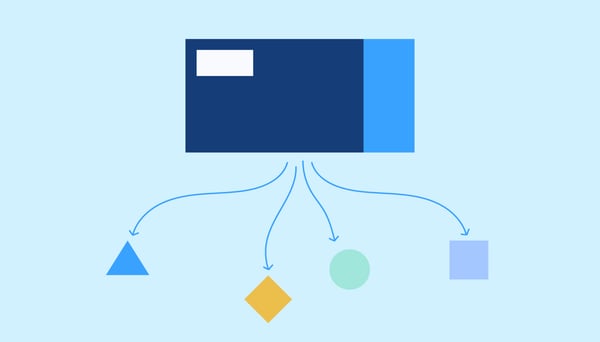
Product life cycle is a well known retail concept that is vital for brands and distributors alike when they go to the market with a new product. For professionals throughout the industry guiding a product through its journey is second-nature, incorporating the concept as part of a pricing strategy, however, is not so widespread. Nevertheless, in pursuit of better turnover and margins, the PLC is an important consideration, giving you the perfect handhold to adjust your pricing strategy. Do you want to be the cheapest for the PS5 (or the accessories for it) in its introduction phase while supply is short? Or do you introduce an innovative product that no consumer knows yet? Do you want to step away from the RRP as a direct-to-consumer brand in the growth stage or do you wait until the product is more mature? These types of decisions should be part of your pricing strategy and can set you apart from your competitors. How should Nokia have priced their indestructible mobile phones, whilst being in a rapid declining phase?

Read More Adjusting your Pricing Strategy to the Product Life Cycle Stage
Adjusting your Pricing Strategy to the Product Life Cycle Stage

What is loss leader pricing?

The phrase ‘Loss Leader Pricing Strategy’ can sound confusing, tautologous or even verge on doublethink. It is a strategy defined by its aggression, inherently risky nature and being shrouded in questions of ethicality...
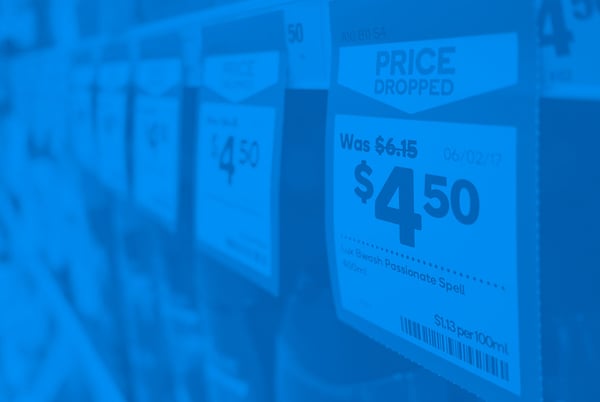
The phrase ‘Loss Leader Pricing Strategy’ can sound confusing, tautologous or even verge on doublethink. It is a strategy defined by its aggression, inherently risky nature and being shrouded in questions of ethicality and legality. But nevertheless the strategy exists. Not only does it exist, it’s very common and can be incredibly lucrative when executed properly. What is it? What are its characteristics? How can it be effectively implemented? And how can Omnia help you do so? We will provide answers to these questions during this piece.

Read More What is loss leader pricing?
What is loss leader pricing?

Winners vs. Losers: Optimal Price Ratio Depends on Category Elasticity

In this thread we are investigating and ultimately uncovering what everybody wants to know: when it comes to pricing, what separates the winners from the losers. Last time we covered price change frequency and why it is...

In this thread we are investigating and ultimately uncovering what everybody wants to know: when it comes to pricing, what separates the winners from the losers. Last time we covered price change frequency and why it is vital to timely update your product’s prices if you want to keep up with today’s fast paced world of (online) retail. Now, hold on to your hats as we dive into the second main element setting the winners apart from the losers: understanding price ratio.

Read More Winners vs. Losers: Optimal Price Ratio Depends on Category Elasticity
Winners vs. Losers: Optimal Price Ratio Depends on Category Elasticity

Winners vs. losers: how important is the price change frequency?

Value based pricing, price change frequency, marketing cost incorporation, elasticity calculation.... There is an abundance of factors to take into consideration and an unlimited number of strategies related to pricing....

Value based pricing, price change frequency, marketing cost incorporation, elasticity calculation.... There is an abundance of factors to take into consideration and an unlimited number of strategies related to pricing. Want to find out where you are leaving the most money on the table and how to maximize profits? It’s related to how often you change the price of offered products and services. Let’s discuss price change frequency!

Read More Winners vs. losers: how important is the price change frequency?
Winners vs. losers: how important is the price change frequency?

Understanding and Using Market Penetration Strategies

Did you start a brand to see it lose momentum or market share to competitors? It’s a silly question to ask owners yet a number of brands make mistakes within their chosen market. At times, it’s not a matter of what...

Did you start a brand to see it lose momentum or market share to competitors? It’s a silly question to ask owners yet a number of brands make mistakes within their chosen market. At times, it’s not a matter of what you’re doing but what a brand is not doing that impedes opportunity for growth. That’s where market penetration strategies come to play. What’s a common characteristic of powerful brands? They increase market share and continue to seize opportunity. But, realizing business success requires a continual growth strategy. In this guide, you’ll learn how to: Gain a better understanding of market penetration strategies Read market penetration examples Get tips regarding the best marketing penetration strategies

Read More Understanding and Using Market Penetration Strategies
Understanding and Using Market Penetration Strategies

How to reprice online assortment without frustrating store employees?

The ability to reprice your product at a high frequency is one of the most impactful tools to control revenues and margins. The whole market is transparent and price differentiations are very visible to consumers. Price...

The ability to reprice your product at a high frequency is one of the most impactful tools to control revenues and margins. The whole market is transparent and price differentiations are very visible to consumers. Price is the major factor influencing sales decisions for consumers.

Read More How to reprice online assortment without frustrating store employees?
How to reprice online assortment without frustrating store employees?

Business Guide to Predatory Pricing

In 2010, Diapers.com gained momentum with its combination of e-commerce and pricing. Rumours report that Amazon previously tried to buy the diaper supplier but was denied. Afterward, Amazon aggressively lowered prices...
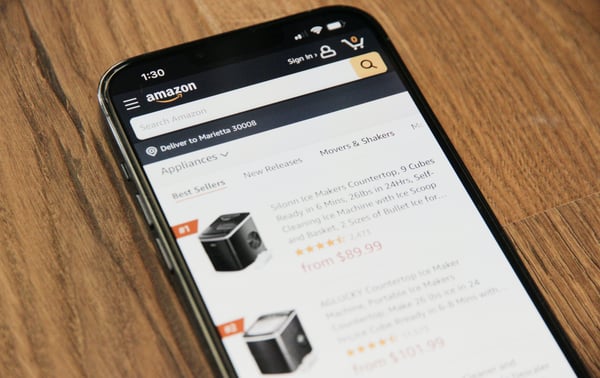
In 2010, Diapers.com gained momentum with its combination of e-commerce and pricing. Rumours report that Amazon previously tried to buy the diaper supplier but was denied. Afterward, Amazon aggressively lowered prices on diapers and related products.

Read More Business Guide to Predatory Pricing
Business Guide to Predatory Pricing

7 Ways Pricing Insights Make Your Job Easier

Download the whitepaper to learn:

Download the whitepaper to learn:

Read More 7 Ways Pricing Insights Make Your Job Easier
7 Ways Pricing Insights Make Your Job Easier

The shift to Direct to Consumer

Read More The shift to Direct to Consumer
The shift to Direct to Consumer

Price Points Podcast EP 9: Which Categories Experience the Most Price Pressure on Black Friday?

Which categories experience the most price pressure on Black Friday? Hidde Roeloffs Valk explains his data analysis in this month's episode of Price Points.

Which categories experience the most price pressure on Black Friday? Hidde Roeloffs Valk explains his data analysis in this month's episode of Price Points.

Read More Price Points Podcast EP 9: Which Categories Experience the Most Price Pressure on Black Friday?
Price Points Podcast EP 9: Which Categories Experience the Most Price Pressure on Black Friday?

Price Points Podcast EP 7: Are Your Private Label Products Overpriced

Are your private label products over (or under) priced? Hidde Roeloffs Valk, Solution Consultant at Omnia, explains how a reference pricing strategy helps you optimize your private label products and keep them at...

Are your private label products over (or under) priced? Hidde Roeloffs Valk, Solution Consultant at Omnia, explains how a reference pricing strategy helps you optimize your private label products and keep them at market-level prices.

Read More Price Points Podcast EP 7: Are Your Private Label Products Overpriced
Price Points Podcast EP 7: Are Your Private Label Products Overpriced

Price Points Podcast EP 3: Risks and Rewards in Dynamic Pricing

What are the risks and rewards of dynamic pricing, and how can you tip the scales towards reward? Travis Rice explains all in this episode of Price Points.

What are the risks and rewards of dynamic pricing, and how can you tip the scales towards reward? Travis Rice explains all in this episode of Price Points.

Read More Price Points Podcast EP 3: Risks and Rewards in Dynamic Pricing
Price Points Podcast EP 3: Risks and Rewards in Dynamic Pricing

Price Points Podcast EP 2: Why Should Brands Differentiate Their Assortments

How important is a brand's assortment to its D2C strategy? In this interview with Hidde Roeloffs Valk from Omnia Retail, we dive into assortments and uncover how they are an essential tool in a modern e-commerce...

How important is a brand's assortment to its D2C strategy? In this interview with Hidde Roeloffs Valk from Omnia Retail, we dive into assortments and uncover how they are an essential tool in a modern e-commerce strategy.

Read More Price Points Podcast EP 2: Why Should Brands Differentiate Their Assortments
Price Points Podcast EP 2: Why Should Brands Differentiate Their Assortments

Price Points Podcast EP 1: What Do Brands Need for a successful D2C Strategy?

What do brands need for a successful D2C strategy? Learn more in this interview with Jasper Wiercx, Solutions Consultant at Omnia Retail
What do brands need for a successful D2C strategy? Learn more in this interview with Jasper Wiercx, Solutions Consultant at Omnia Retail

Read More Price Points Podcast EP 1: What Do Brands Need for a successful D2C Strategy?
Price Points Podcast EP 1: What Do Brands Need for a successful D2C Strategy?

What is Bundle Pricing?

When it comes to online shopping, bundle pricing is ubiquitous. This pricing method is extremely popular amongst Internet retailers, and for good reason. Competitive bundling is an excellent way for you to push more...
When it comes to online shopping, bundle pricing is ubiquitous. This pricing method is extremely popular amongst Internet retailers, and for good reason. Competitive bundling is an excellent way for you to push more product, stand out from the crowd, and connect with your audience in an intriguing way.

Read More What is Bundle Pricing?
What is Bundle Pricing?

Cost Plus Pricing: A Complete Guide to Cost-Based Pricing, Markups, Margins & Retail Strategy

When you produce a product, it costs your company a certain amount of money.

When you produce a product, it costs your company a certain amount of money.

Read More Cost Plus Pricing: A Complete Guide to Cost-Based Pricing, Markups, Margins & Retail Strategy
Cost Plus Pricing: A Complete Guide to Cost-Based Pricing, Markups, Margins & Retail Strategy

Here’s What You Need to Know About Psychological Pricing (Plus 3 Strategies to Help You Succeed)

Modern day pricing is so much more than a numbers game. When thought about correctly, it’s a powerful way to build your brand and drive more profits.

Modern day pricing is so much more than a numbers game. When thought about correctly, it’s a powerful way to build your brand and drive more profits.

Read More Here’s What You Need to Know About Psychological Pricing (Plus 3 Strategies to Help You Succeed)
Here’s What You Need to Know About Psychological Pricing (Plus 3 Strategies to Help You Succeed)

Penetration Pricing Strategy: Advantages, Disadvantages, Examples And Price Skimming Comparison

Have you ever asked “what is penetration pricing?” If so, you’re not alone. In this article (part of our extensive pricing strategies breakdown guide), we’ll break down penetration pricing and help you decide if it’s...
Have you ever asked “what is penetration pricing?” If so, you’re not alone. In this article (part of our extensive pricing strategies breakdown guide), we’ll break down penetration pricing and help you decide if it’s the right strategy for you.

Read More Penetration Pricing Strategy: Advantages, Disadvantages, Examples And Price Skimming Comparison
Penetration Pricing Strategy: Advantages, Disadvantages, Examples And Price Skimming Comparison

How Odd Even Pricing Helps You Utilize the Power of Psychology

As a continuation of our series on different pricing strategies and pricing methods, in this post we'll take a deeper look at Odd Even pricing. This pricing strategy looks at the psychological effect that numbers have...

As a continuation of our series on different pricing strategies and pricing methods, in this post we'll take a deeper look at Odd Even pricing. This pricing strategy looks at the psychological effect that numbers have on the human brain, then uses that power to shape price perception.

Read More How Odd Even Pricing Helps You Utilize the Power of Psychology
How Odd Even Pricing Helps You Utilize the Power of Psychology

3 Pricing Strategies that Incorporate Product Popularity

We’ve just announced a new data service called Product Popularity Scores. This new data service is an add-on to your Pricewatch export that shows the product popularity scores for different price comparison websites in...

We’ve just announced a new data service called Product Popularity Scores. This new data service is an add-on to your Pricewatch export that shows the product popularity scores for different price comparison websites in NL and BE. It’s designed to give you a better idea of what’s popular in the market so you can make more informed strategic choices when it comes to buying, marketing, pricing, and more. We wanted to give some inspiration into how you can actually use this service to create better pricing strategies. Below are three examples of pricing strategies that you can enhance with Product Popularity Scores.

Read More 3 Pricing Strategies that Incorporate Product Popularity
3 Pricing Strategies that Incorporate Product Popularity

What is Stock-Based Pricing?

Last week, as a response to the coronavirus, we offered some pricing advice to our customers: use stock levels as a way to prevent unintentional price drops on your products. To give some more background on this pricing...

Last week, as a response to the coronavirus, we offered some pricing advice to our customers: use stock levels as a way to prevent unintentional price drops on your products. To give some more background on this pricing method, we decided to create a blog post outlining what stock-based pricing is, why you may want to use this pricing method, and a few different strategies to consider while implementing it. Keep reading to learn more about this versatile pricing method and how you can use it strategically.

Read More What is Stock-Based Pricing?
What is Stock-Based Pricing?

What 3,903 Products can Teach us About Cyber Week Discounts

While Black Friday has traditionally only been the last Friday of every November, an increasing number of retailers and brands are starting sales much earlier. This trend of starting sales as early as the Monday before...

While Black Friday has traditionally only been the last Friday of every November, an increasing number of retailers and brands are starting sales much earlier. This trend of starting sales as early as the Monday before Black Friday is known as “Cyber Week” or “Black Friday Week.” The sales are getting bigger, the week is growing longer, and consumer anticipation of the event is growing. And the tactic seems to be working. BBC reported that Black Friday 2019 gave retailers a “welcome boost” this year. As reporter Ian Westbrook writes, Barclaycard, which processes nearly £1 of every £3 spent in the UK, says that sales volumes from 25 November to 2 December were up 7.1% compared with 2018, while sales value rose by 16.5%. The UK isn’t the only country where records shattered this year. In the United States shoppers spent 7.4 billion dollars, the most ever on Black Friday and the second-highest spending record ever, only slightly trailing 2018’s Cyber Monday record. So while Black Friday’s popularity is clearly growing, and Cyber Week becomes more important, many consumers want to know...are the deals actually that great?

Read More What 3,903 Products can Teach us About Cyber Week Discounts
What 3,903 Products can Teach us About Cyber Week Discounts

Take Control of Black Friday with These 3 Pricing Tips from the Experts

Is Black Friday even worth it? That’s a question that many retailers and brands ask themselves around this time of year. Is it worth all the trouble? The early starts. The late nights. The number crunching. The price...

Is Black Friday even worth it? That’s a question that many retailers and brands ask themselves around this time of year. Is it worth all the trouble? The early starts. The late nights. The number crunching. The price watching. The long days and the short rests in between...Black Friday is stressful and resource-consuming... So is it even worth it? The answer is a resounding yes — if you’re strategic about it.

Read More Take Control of Black Friday with These 3 Pricing Tips from the Experts
Take Control of Black Friday with These 3 Pricing Tips from the Experts

4 Things to Know About Data Quality in Dynamic Pricing

There’s a saying in the data science world: “garbage in equals garbage out.” In other words, the data you feed any algorithm determines the quality of the algorithm’s output. And while this is true for all data science,...

There’s a saying in the data science world: “garbage in equals garbage out.” In other words, the data you feed any algorithm determines the quality of the algorithm’s output. And while this is true for all data science, it’s especially pertinent for dynamic pricing algorithms. Dynamic pricing tools are like any other algorithm: they need great data as input to to give you a great pricing output. What you put into a dynamic pricing solution matters and has a colossal impact on the price advices it creates. If you have bad competitor data that isn’t up-to-date, for example, then the tool will generate equally bad price advices. But what data do you need, and how do you ensure it’s at a high enough quality? Here are four key things you need to know about data quality in pricing.

Read More 4 Things to Know About Data Quality in Dynamic Pricing
4 Things to Know About Data Quality in Dynamic Pricing

How Reference Pricing Keeps Your Private-Label Products Agile

For most products sold across multiple retailers, the process for dynamic pricing and market monitoring is relatively painless. All you need to do is provide the GTIN code for these items, then your dynamic pricing...

For most products sold across multiple retailers, the process for dynamic pricing and market monitoring is relatively painless. All you need to do is provide the GTIN code for these items, then your dynamic pricing system can search the web for that GTIN code. And while you probably have plenty of these “matchable” products — products from different brands that you can “match” based on GTIN codes — what do you do about the private label products you produce and sell exclusively in your stores? When the system can only find the GTIN for a product in one store, how can you make sure the price of that product still stays as agile as the market? This is where reference pricing becomes a crucial part of your dynamic pricing strategy. And if you’re a retailer who sells these products, this post is for you. Keep reading to learn more about reference pricing, how to implement it in your dynamic pricing tool, and how to reap the benefits of this powerful tactic.

Read More How Reference Pricing Keeps Your Private-Label Products Agile
How Reference Pricing Keeps Your Private-Label Products Agile

What is Charm Pricing?

When I was a kid, I used to love weekends because I didn’t have a bedtime. Instead, I’d stay up as late as I wanted, and it wasn’t uncommon for me to fall asleep on the couch with the television still on. But I grew up...

When I was a kid, I used to love weekends because I didn’t have a bedtime. Instead, I’d stay up as late as I wanted, and it wasn’t uncommon for me to fall asleep on the couch with the television still on. But I grew up in the United States, the land of direct-response marketing. And I’d often find myself jolted awake in the early morning hours by the still-blaring TV. At some point in the night, the channels would have switched from traditional programming to late-night “infomercials.” Infomercials, if you’re not familiar, are long-form sales commercials. They could last as long as 60 minutes, and typically followed a “tell-sell” format: someone would stand on a set and demonstrate the product for 50 minutes, typically shouting loudly about the features and benefits of the item. The most famous of these hosts, by far, was Billy Mays, and it was a national tragedy when he died unexpectedly in 2009. These demonstrations were also adopted to shorter 2-minute time slots for regular television hours. Here you can watch Billy Mays’ most famous commercial. These commercials were memorable for many reasons, most notably their outlandishness. But their prices were also catchy...so catchy that they could grab your attention from across the room and stick in your head for a few days after. Inevitably, almost every product you could purchase through these programs cost anywhere between $9.99 and $69.99. And each price always ended in either 99 cents or 95 cents. These companies were using a tactic called charm pricing (also known as "psychological pricing"), a style meant to elicit an emotional response in their consumers and drive them to action. Charm pricing relies on the belief that an odd-numbered price can trigger emotional reactions in people. It's a powerful pricing tool that isn't limited to cheesy American commercials. In fact, almost any retailer can use charm pricing to their advantage. So what is charm pricing, and is it right for your organization? Keep reading to learn more.

Read More What is Charm Pricing?
What is Charm Pricing?

How Retail Seasonality is Changing

The seasons have always been a powerful influencer of retail, but do they still matter with the rise of e-commerce? In short: yes, the seasons still influence retail. Though the type of influence is changing...
The seasons have always been a powerful influencer of retail, but do they still matter with the rise of e-commerce? In short: yes, the seasons still influence retail. Though the type of influence is changing drastically. In this post, we’ll explore this “new” seasonality brought in the rise of e-commerce, and examine how you can adjust your strategies to match these changes.

Read More How Retail Seasonality is Changing
How Retail Seasonality is Changing

3 Ways Retailers Can Prepare For Valentine's Day

It’s almost February, which means the first major retail holiday in many countries is just a few short weeks away. Valentine’s Day, which dates all the way back to Roman traditions, is a holiday devoted to love,...

It’s almost February, which means the first major retail holiday in many countries is just a few short weeks away. Valentine’s Day, which dates all the way back to Roman traditions, is a holiday devoted to love, experiences, and gifts. The holiday is changing rapidly though, and if you’re wondering how to change your retail business with it, you’re not alone. How can retailers prepare for Valentine’s Day 2019? This year, the key is to focus heavily on customer experiences — both in your store and offline. In this post, we’ll give you 3 practical tips on how you can prepare for the holiday.

Read More 3 Ways Retailers Can Prepare For Valentine's Day
3 Ways Retailers Can Prepare For Valentine's Day

How to Build a Pricing Strategy

This week we have a guest post from Johan Maessen, owner of Commercieel Verbeteren. Johan has over 10 years of experience in strategy consulting, and works tirelessly to help businesses grow with deliberate, strategic...

This week we have a guest post from Johan Maessen, owner of Commercieel Verbeteren. Johan has over 10 years of experience in strategy consulting, and works tirelessly to help businesses grow with deliberate, strategic goals in mind. In this post, Johan talks about the importance of a commercial pricing strategy and how you can build your own framework for commercial success.

Read More How to Build a Pricing Strategy
How to Build a Pricing Strategy

How to Test the Effectiveness of Your Online Pricing

“Testing” is a buzzword in the world of online work. If you have a company that interacts with customers in the digital sphere, it’s likely that you want to consider testing in some form. And that’s a good thing....
“Testing” is a buzzword in the world of online work. If you have a company that interacts with customers in the digital sphere, it’s likely that you want to consider testing in some form. And that’s a good thing. Testing gives you insights into consumer behavior and helps you make smarter decisions on your webshop. Web developers and marketers often use A/B testing to experiment how different web layouts influence consumer behavior. When consumers land on a site, they are randomly redirected to an A or B page, each of which has the same goal in mind but which varies in messaging or design. Developers and marketers then evaluate differences in conversion or bounce rate between the two pages to determine which performed best. Just like web developers, retailers can use testing to learn how prices influence the overall conversion rate for products. You can then use these insights to optimize your display price for margins and conversions — a crucial part of your company’s marketing plan. But testing prices online is not as easy as testing a website design.

Read More How to Test the Effectiveness of Your Online Pricing
How to Test the Effectiveness of Your Online Pricing

What's the Difference Between Dynamic and Personalized Pricing?

When it comes to automated pricing, retailers have several different strategies to choose from. Two of the most popular, however, are dynamic and personalized pricing strategies. Both capture the power of big data to...
When it comes to automated pricing, retailers have several different strategies to choose from. Two of the most popular, however, are dynamic and personalized pricing strategies. Both capture the power of big data to provide competitive pricing on key products, but the difference between the two might be unclear to some retailers. In this blog post, we’ll highlight the key things you need to know about each of these methods, as well as the pros and cons of each.

Read More What's the Difference Between Dynamic and Personalized Pricing?
What's the Difference Between Dynamic and Personalized Pricing?

How to Avoid a Price War on Black Friday

There is growing frustration among shops about Black Friday. This is most notable in the fashion industry, because of a consumer tendency to purchase several items of clothing at a discounted price, try the clothes on...

There is growing frustration among shops about Black Friday. This is most notable in the fashion industry, because of a consumer tendency to purchase several items of clothing at a discounted price, try the clothes on at home, then return 14 of the 15 pieces to the store. This phenomenon makes the holiday frustrating for several reasons: It clogs up the distribution network and overwhelms mail rooms around the world It fuels customer frustration when they need to wait for their products because of this pipeline error It falsely inflates retailers’ sales from the day and shows inaccurate stock levels Because of these frustrations, several retailers in the U.K. have chosen to forego the sales holiday this year. And since some evidence suggest that consumer trust in the holiday is declining, it might seem like Black Friday is a passing fad. So why should retailers continue participating in Black Friday?

Read More How to Avoid a Price War on Black Friday
How to Avoid a Price War on Black Friday

4 Ways Omnia Helps You Get the Most Out of Black Friday

Black Friday is growing in importance around the world. In the Netherlands alone, interest in the retail holiday grew 2,000% from 2012-2017. And with over 70% of shoppers in the U.S., U.K., Germany, and Canada aware of...
Black Friday is growing in importance around the world. In the Netherlands alone, interest in the retail holiday grew 2,000% from 2012-2017. And with over 70% of shoppers in the U.S., U.K., Germany, and Canada aware of Black Friday and planning to take part, retailers and brands are under pressure to slash their prices to stay competitive, both online and offline.

Read More 4 Ways Omnia Helps You Get the Most Out of Black Friday
4 Ways Omnia Helps You Get the Most Out of Black Friday

Four Ways to Use Dynamic Pricing to Prevent a Race to the Bottom

As a retailer, you’d prefer not to see your competitors undercut your prices. But at the same time, you want to avoid a race to the bottom at all costs. In this article, we explain four ways that you can use intelligent...

As a retailer, you’d prefer not to see your competitors undercut your prices. But at the same time, you want to avoid a race to the bottom at all costs. In this article, we explain four ways that you can use intelligent dynamic pricing to protect your margins.

Read More Four Ways to Use Dynamic Pricing to Prevent a Race to the Bottom
Four Ways to Use Dynamic Pricing to Prevent a Race to the Bottom

Boost Sales by Incorporating Weather Changes into Pricing Decisions

The effect of the weather on retail sales cannot be underestimated. The recent spell of hot weather in the UK and most of Europe has certainly had an impact on retail performance across various sectors. However, several...

The effect of the weather on retail sales cannot be underestimated. The recent spell of hot weather in the UK and most of Europe has certainly had an impact on retail performance across various sectors. However, several marketing departments still poorly utilize links between marketing decisions and the weather. Understanding these links would give them a framework to take the weather changes into account, and thus potentially increase sales and profits. Omnia's algorithm includes input from a weather API in calculating optimal price and CPC bids so can easily incorporate weather changes into their pricing and marketing decisions. This blog describes examples of how incorporating the weather forecast in your commercial strategy can boost both your sales, as well as your profits.

Read More Boost Sales by Incorporating Weather Changes into Pricing Decisions
Boost Sales by Incorporating Weather Changes into Pricing Decisions

Discover Wasted Spend on Google Shopping with Omnia

John Wanamaker (1838-1922) - marketing pioneer - famously coined the phrase: “Half the money I spend on advertising is wasted; the trouble is I don't know which half.” Surely, you must be thinking this phrase is...

John Wanamaker (1838-1922) - marketing pioneer - famously coined the phrase: “Half the money I spend on advertising is wasted; the trouble is I don't know which half.” Surely, you must be thinking this phrase is outdated. Today’s marketers can track just about anything with cookie data, attribution models, and Google Analytics. With those vastly improved analytical capabilities, you would expect marketing budgets to be mostly spent where it makes a positive return. Not quite. Especially on Google Shopping, many of our new and prospective clients are not beating the 50% effectiveness hurdle. Not having insights and tools beyond AdWords has made Google Shopping management a gamble for them.

Read More Discover Wasted Spend on Google Shopping with Omnia
Discover Wasted Spend on Google Shopping with Omnia

Unlocking the Pricing Data Potential: Make Better Buying and Marketing Decisions

Well-managed companies recognize the critical role pricing plays in driving performance. A foundation (e.g. organization’s structure) that underpins excellence in pricing is key to realizing its full potential. However,...

Well-managed companies recognize the critical role pricing plays in driving performance. A foundation (e.g. organization’s structure) that underpins excellence in pricing is key to realizing its full potential. However, large corporates usually have teams that work separately on topics such as pricing, buying, marketing, and supply chain. Based on Omnia’s experience there is a missing link between those teams that could add a lot of value when fully exploited. Since the marketing and supply chain department usually do not have access to pricing data, they might advertise and purchase different products than they would do if they would have access. This blog explores three examples how Omnia could facilitate the bridge between those teams, thereby enabling them to make better, data-driven decisions and realize pricing data’s full potential.

Read More Unlocking the Pricing Data Potential: Make Better Buying and Marketing Decisions
Unlocking the Pricing Data Potential: Make Better Buying and Marketing Decisions

How to Avoid a Race to the Bottom with Dynamic Pricing

With today’s pricing transparency, price has become one of consumers’ key purchase decision factors. Shops navigate a tricky path when it comes to pricing: they don’t want to be undercut by competitors and lose sales,...
With today’s pricing transparency, price has become one of consumers’ key purchase decision factors. Shops navigate a tricky path when it comes to pricing: they don’t want to be undercut by competitors and lose sales, but they also don’t want to get caught in a “race to the bottom” where price cutting gets so extreme that margins completely disappear.

Read More How to Avoid a Race to the Bottom with Dynamic Pricing
How to Avoid a Race to the Bottom with Dynamic Pricing

3 Dynamic Pricing Methods and How to Implement Them in Omnia

The rise of e-commerce has led to a greater assortment of shops. In addition, the internet has greatly increased price transparency in the market, which in turn has increased the frequency of price changes. The...

The rise of e-commerce has led to a greater assortment of shops. In addition, the internet has greatly increased price transparency in the market, which in turn has increased the frequency of price changes. The combination of these two factors made dynamic pricing a necessity in today’s retail market. And as part of the Five Steps to Successfully Implement Dynamic Pricing, shops need to choose a pricing method that makes sense for their organization. Dynamic pricing is often equated with a purely competitor-based pricing method. For example, “Always adjust the price to the lowest of the three competitors X, Y and Z”. Competitor-based pricing, however, isn’t the only dynamic pricing method, nor is it the most recommended pricing method. Three dynamic pricing methods are outlined in this blog post.

Read More 3 Dynamic Pricing Methods and How to Implement Them in Omnia
3 Dynamic Pricing Methods and How to Implement Them in Omnia

Sign up to be the first to get information from Omnia.

Sign up now